

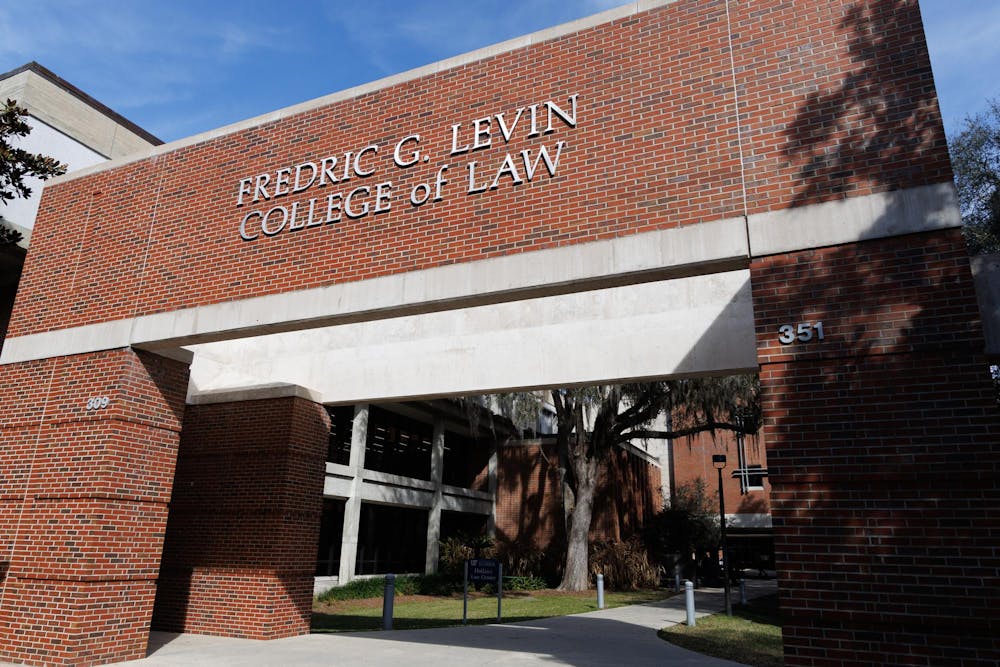
The rising costs of law school, coupled with the One Big Beautiful Bill Act’s limits on graduate student loan borrowing, have caused massive anxiety among students.
According to a recent survey of aspiring pre-law students, a staggering 97% say they are concerned about the cost of law school to some degree. Nearly 43% of them said they expect to graduate with $100,000 or more in debt.
As law school becomes a luxury good, the question is no longer only whether students can afford it but whether it’s worth the cost.
This shift can have repercussions beyond career ambition. It can drive students away from meaningful but lesser-paying legal roles like public interest law, legal aid and advocacy work to pay off their debts. It can alter how the profession functions altogether.
We don’t just need to protect the ecosystem within which law operates. More importantly, we need to protect our students’ well-being and their ability to pursue a profession they’re passionate about.
So, what can law schools actually do?
First, they must recalibrate the duration of a legal education. The three-year model piles up costs and holds students back from experiential learning.
According to the same survey by Juris Education mentioned earlier, a national law school admissions consulting firm, 65% of prospective students said they would consider attending a two-year law program if given a choice. Accelerated Juris Doctor programs — or even hybrid pathways — can reduce the cost of a degree.
Such programs would also pose challenges like the time needed for bar exam preparation, academic rigor and the quality of legal training. However, because not many of these programs exist, universities can innovate and design them to address these concerns.
Second, law schools must increase both merit-based and need-based financial aid. They can begin by exercising greater transparency in how aid is distributed among students, removing unnecessary conditions on scholarships to broaden their scope and offering more grant programs.
Students who work in public service law, legal clinics or advocacy can also be offered extra financial assistance or incentives to pursue their work without having to worry about the insurmountable costs associated with securing an education.
Third, law schools should assist students in understanding the financial consequences of their career path. This is where law advising and career counseling departments must play an active role. If students are going to graduate with six-figure and higher debt after law school, they must understand their financial priorities before they enter the legal profession.
This can translate into more customized help choosing a law specialty that helps students meet their financial obligations. Advisers should at least be cognizant of career growth patterns, financial projections and best- and worst-case scenarios for each student. Many students — in law school or otherwise — enter graduate education without a clear understanding of financial costs. This lack of practical knowledge only adds to their uncertainty and anxiety about their future.
The increasing cost of a law degree isn’t only an indicator of worth; it also sheds light on the issues of access, affordability and fairness. If cost becomes the only factor deterring a highly talented and motivated student from pursuing a profession of their choice, we’re doing a disservice to these students and the future of law.
Higher education institutions must rethink traditional law school templates, find innovative ways to financially support students based on both need and merit and educate students on the financial realities of studying law.
Arush Chandna is a co-founder of Juris Education, a leading law school admissions consulting firm.


