
Editor’s Note: This story contains mentions of animal cruelty, neglect and death.
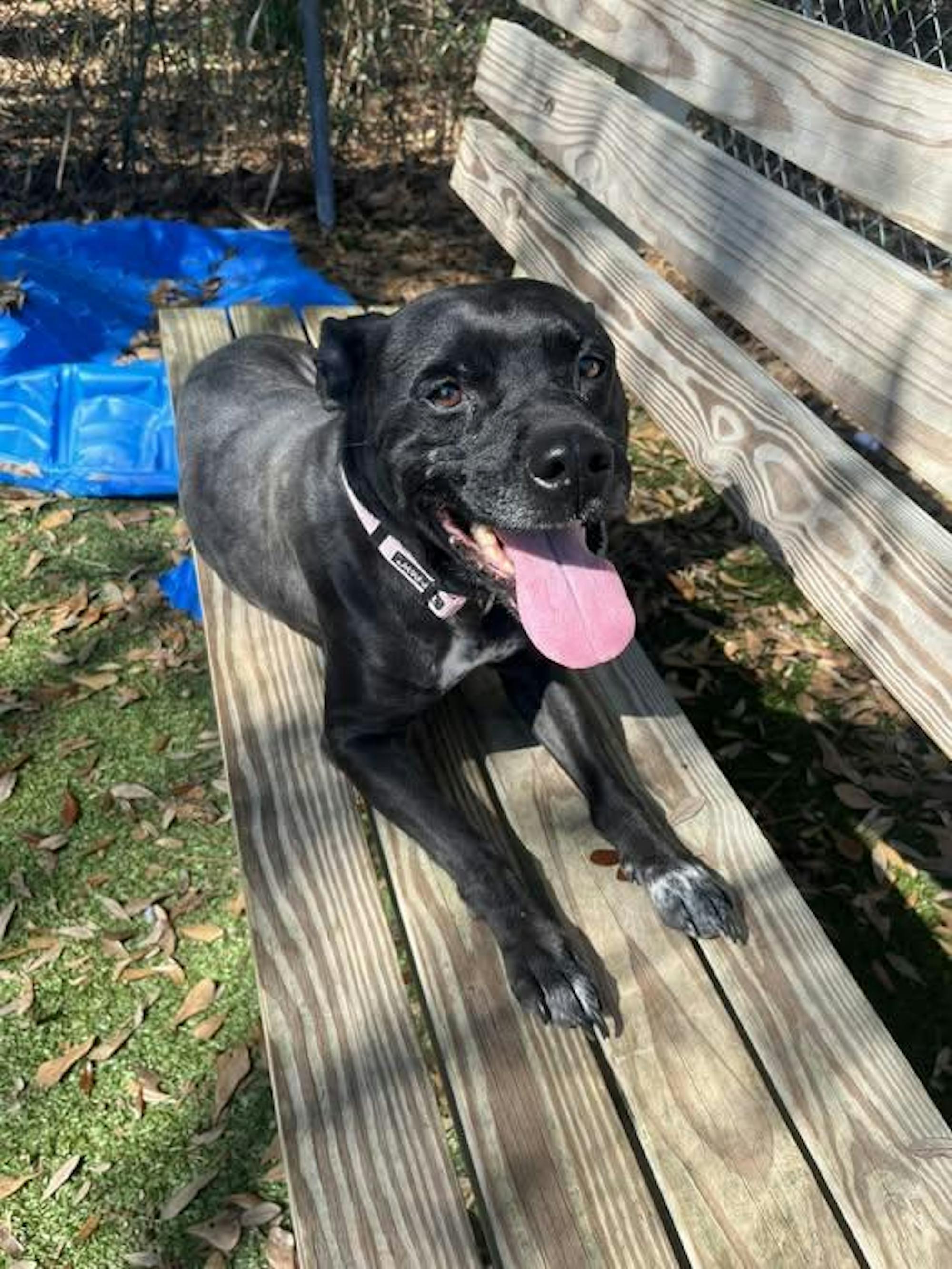
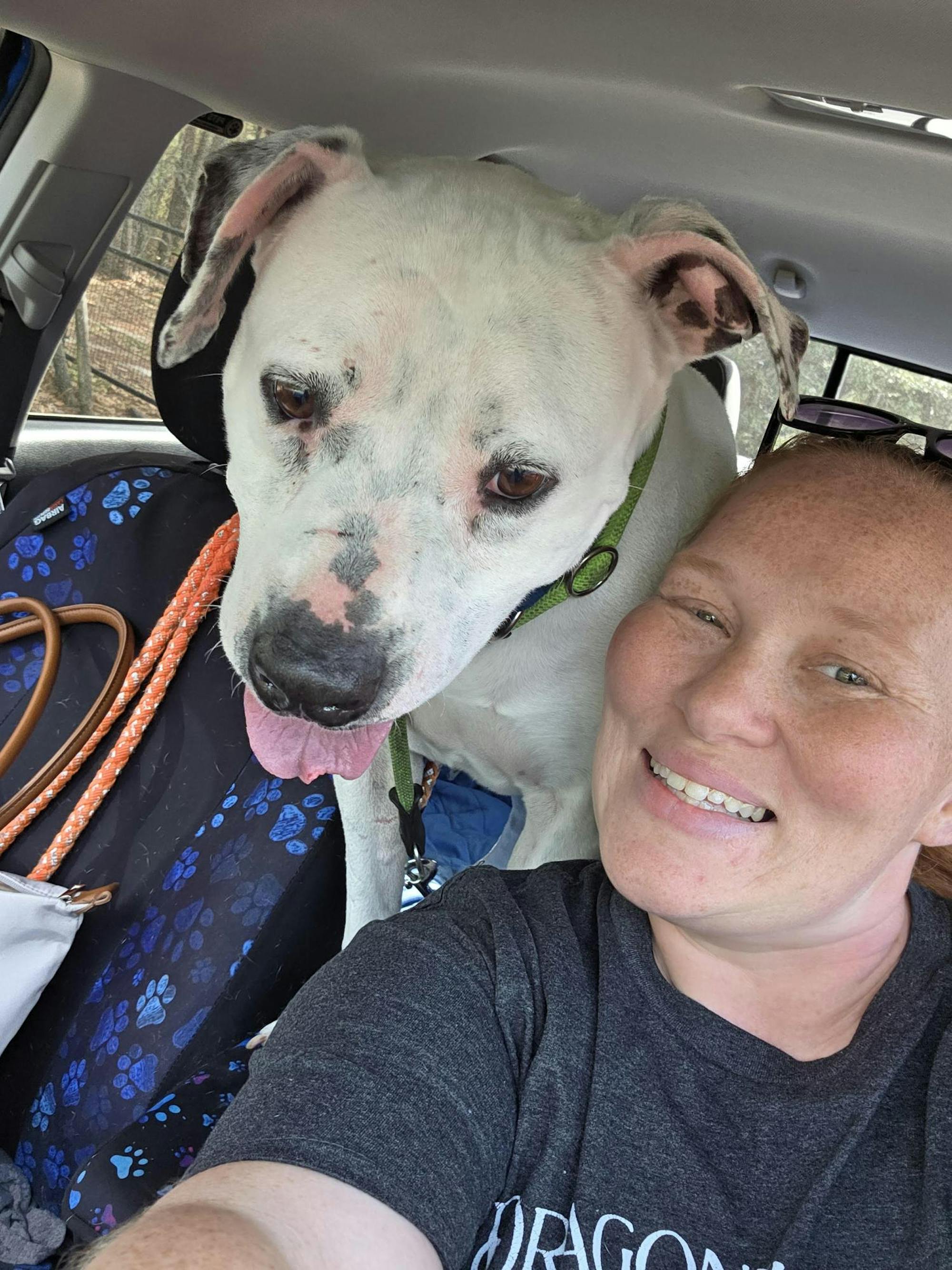
Alachua County Animal Resources volunteer Melissa Wokasch awaits the day her favorite shelter dogs will find forever homes. On Feb. 21, Wokasch saw one of her most beloved furry friends — Gala, a 6-year-old, 40-pound bulldog mix — for the last time. It wasn’t for the reason she hoped.
“I can't think too hard about what happened to those dogs when I left the shelter, because it's not good,” Wokasch said. “I believe those dogs are dead.”
When Alachua County Animal Resources opened its doors in 1987, the shelter often euthanized animals after only a few days. In the 2010s, it shifted toward a no-kill mission. But now, staff confessions and volunteer outcry are raising questions about the shelter's commitment to no-kill.
On March 2, the Board of County Commissioners received an email from former ACAR employee Anthony Friedell detailing a trend of misconduct and corruption from the shelter’s primary leadership, Gina Peebles and Brittany D’Azzo.
The email triggered Alachua County’s whistleblower ordinance, which protects employees from retaliation and allows the county to open an investigation based on whistleblower claims. County Manager Michele Lieberman and county attorney Sylvia Torres launched an external investigation the next day.
“I chose an external investigation option to ensure that this board, the county manager and the public receive information that it needs from a credible, disinterested source,” Torres told county commissioners at their March 10 meeting.
The allegations
“We can no longer be silent,” Friedell wrote. “I, along with other technicians who have resigned recently, have decided to inform the Board of County Commissioners, the County Manager, and this community of why so many of us have departed and why more of us will continue to leave.”
The over 5,000-word whistleblower email included 36 photos and screenshots of messages between staff and leadership.
Alachua County officials declined to comment for this story.
“To avoid any appearance of trying to influence this investigation, we are refraining from responding to inquiries in this matter until the investigation is complete,” county communications director Mark Sexton wrote in an email.
Shelter leadership struggles: Brittney D’Azzo and Gina Peebles
According to Friedell’s email, ACAR’s previous shelter director was removed last August, around the same time the previous veterinarian quit.
Assistant County Manager Gina Peebles, who worked in the county manager’s office for 11 years but had no publicly available experience in animal shelter work, was named interim director.
Friedell speculated in the whistleblower email that the permanent director position was left vacant so current ACAR shelter supervisor Brittney D’Azzo could take it once eligible for promotion.
D’Azzo has been the shelter supervisor at ACAR since June 2025, following her tenure as supervisor at Polk County Animal Control.
D’Azzo’s qualifications to run ACAR have been questioned by community members who say her tenure at Polk County doesn’t seem to align with ACAR’s goals. Polk County Animal Control had the fourth-highest nonlive outcome rate in the state in 2024, out of the 156 shelters tracked in the Florida Shelter Animal Census.
Deteriorating conditions
Friedell wrote extensively about shelter conditions, which he said are harming animals’ physical and mental health.
“Since the previous director was terminated, dogs do NOT get out of kennels every day,” he wrote. “The current administration will tell you this is due to staffing issues, but we had more technicians than ever before.”
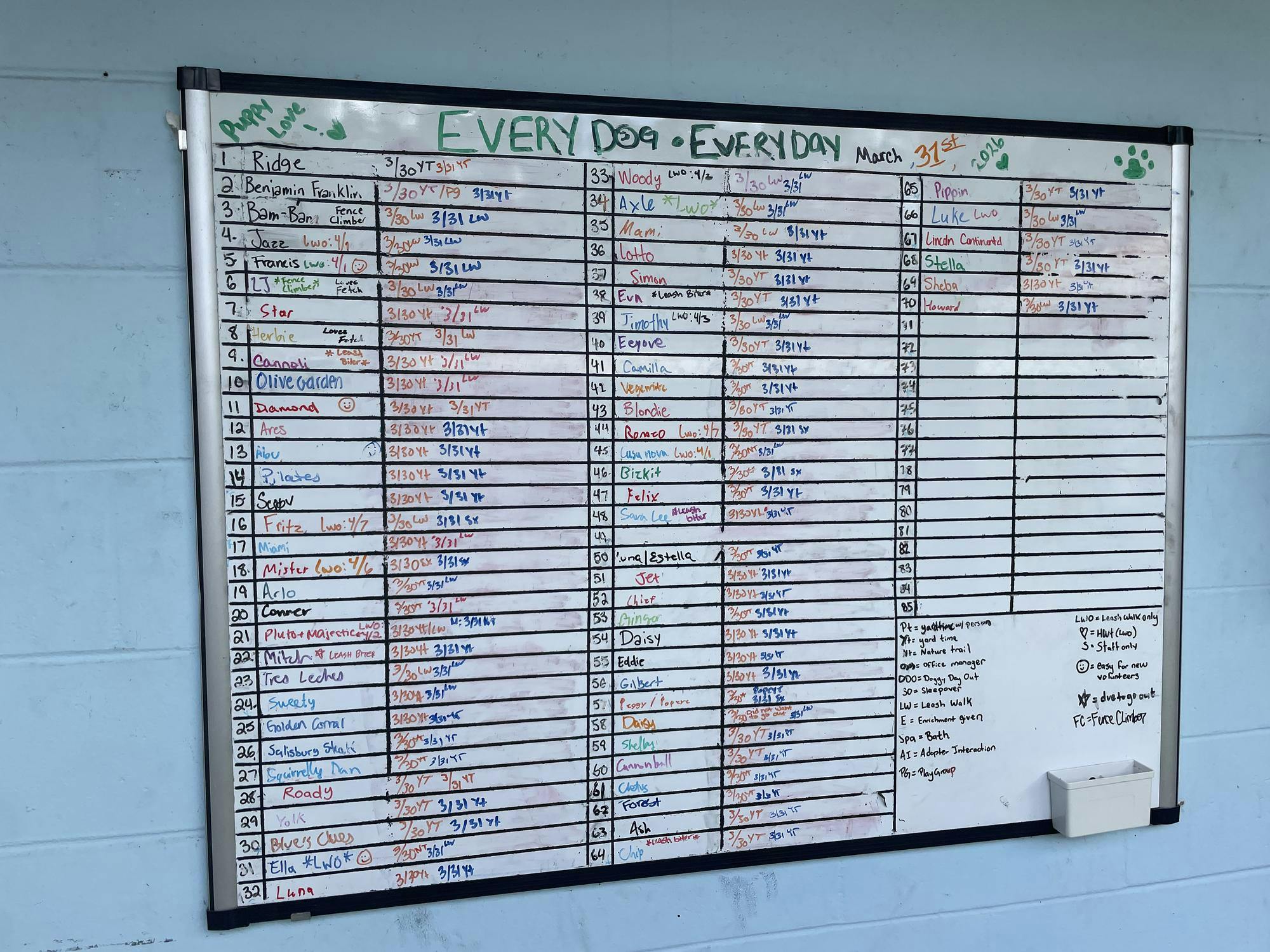
He provided photos of the chart staff use to keep track of how often dogs get out. A picture of the chart from January 2026 reported only 14 of about 70 dogs were let out that day. When Alligator staff visited the shelter in March following the whistleblower complaint, the chart showed almost all dogs were reported to have been let out.
A lack of cleaning, Friedell added in his email, leads to contaminated kennels, play areas and water bowls. He described a pest and rodent problem, with rat feces found in kennels.
“Bowls and kiddie pools riddled with algae can be found throughout the facility,” Friedell wrote. “Moldy food bowls will be left in kennels for days at a time.”
According to Friedell, because kennels are not cleaned as often as they should be, sick animals have been left with blood, vomit and feces in their kennel for extended periods of time.
“Dogs are left with open wounds in urine and feces-slathered kennels,” he wrote.
Improper medical care also concerned Friedell. He alleged staff do not properly administer medications, exacerbating animals’ illness and injury.
“Often, medication is dropped in paper bowls or meatballs and select staff will not wait to ensure the medication has been taken successfully,” he wrote. “We have documentation of animals not receiving medication for days at a time with moldy meatballs and pills being found scattered throughout the kennels.”
The Alligator reached out but was unable to independently verify Freidell’s allegations.
Euthanasia concerns
In his whistleblower email, Friedell also accused Peebles and D’Azzo of intentionally misrepresenting the number of animals euthanized at the shelter to boost the live release rate.
A large, “impromptu” slew of December 2025 euthanasias created tensions, he wrote.
That month, Friedell wrote, ACAR needed seven to 10 empty kennels to accommodate an influx of intakes from a dogfighting case. To make space, Friedell wrote, shelter leadership decided to euthanize the necessary number of dogs.
Euthanizing for space is not approved at no-kill shelters like ACAR, according to guidance from the Humane Society. At these organizations, euthanasia should only be performed on an animal with an untreatable illness or behavior issue, and the goal live release rate is 90%.
At ACAR, many long-term, healthy dogs were marked “unhealthy” in the shelter’s system so they could be euthanized, Friedell wrote — a decision made without consulting the shelter’s behaviorist.
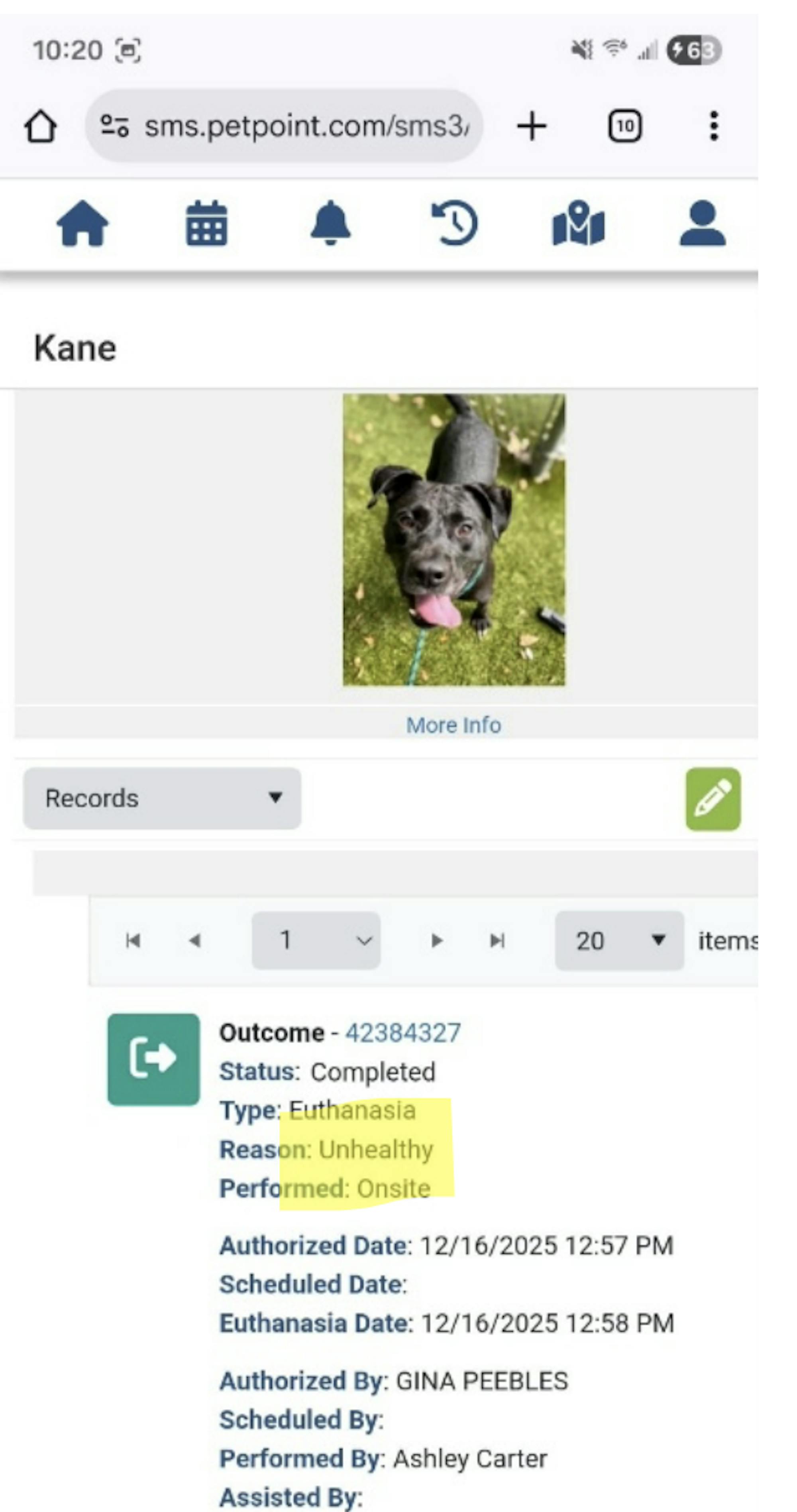
Friedell also alleged authorization documents were falsified.
Two supervisors and the department director are required to sign off on euthanasia logs. But not all necessary parties signed off on the December 2025 euthanasias, Friedell wrote, leading to the direct resignation of a technician.
More confusion emerged when 11 dogs were transferred from ACAR to unidentified locations two months later. When community members began investigating the transfer, suspicions rose that the dogs were euthanized.
Emerald Shores and 11 missing dogs
On Feb. 24, 11 dogs were transferred from ACAR to an anonymous rescue.
Many saw the shelter’s anonymity as highly unusual. Community concern soon led to a group investigation effort. In an effort spearheaded by volunteer Melissa Wokasch, community members filed public records requests from ACAR.
The requests revealed the 11 dogs were transferred to a company called Emerald Shores Humane Society.
Emerald Shores Humane Society, established in 2024, describes itself as an organization that aids in animal cruelty investigations, animal welfare classes, animal adoptions and in-home euthanasia. Its website doesn’t provide details about these services beyond a “contact” tab. No physical location is listed.
Emerald Shores is owned by Stephanie Eddins. Her husband, Doug Eddins, owns three other animal companies: ZooTrek, Florida Animal Control Trading Commission and American Animal Cruelty Investigations School.
ZooTrek is an animal transportation service that opened in late 2025, according to SunBiz. Columbia County contracts ZooTrek for $300,000 a year to transport dogs from its county shelter to other shelters across Florida.
Doug Eddins declined to comment.
Through public records requests, Wokasch found ACAR also made a deal with ZooTrek to transport the 11 dogs to Emerald Shores for $1,925.
On March 9, County Commissioner Anna Prizzia attempted to clear up confusion via email.
“Staff have confirmed that the animals were transferred to Emerald Shores to be relocated to rescue facilities throughout the country,” she wrote to Wokasch.
Two of the dogs that were transferred, 50 Scent and Lilly, had previously been under the care of Catherine McGuire. She oversaw the animals at All Paws Pet Kennel in Gainesville, where she works as a foster and adoption coordinator.
All Paws works with ACAR to take dogs that have been in the shelter for an extended period of time and are not compatible with shelter life. Once dogs are brought into All Paws’ care, they don’t go back to ACAR, McGuire said. Instead, All Paws works to find them homes.
50 Scent and Lilly were thriving at the kennel, McGuire said. But then she received an unprecedented request. On Feb. 18, ACAR outreach coordinator Kyle Fehl called McGuire to ask that she bring the two dogs back. McGuire had never been asked to do so with previous intakes.
Records later showed the two dogs were among the 11 transferred to Emerald Shores.
McGuire said she’s looked through adoption agencies all over the state but hasn’t been able to locate the two dogs since Feb. 24. McGuire speculates her fosters were euthanized.
“The lying, the lack of transparency, the lack of proof, whatever you want to call it, it hurts,” she said. “Lilly and 50 deserve the world. They definitely deserve people fighting for them, and they definitely did not deserve anything that might have happened to them negatively. … I feel like I failed them.”
However, the 11 dogs aren’t the only ACAR residents alleged to have been transferred to Eddins. According to a public records request, 15 additional dogs were transferred to Emerald Shores two days prior, on Feb. 22.
Eddin’s euthanasia training and 15 missing dogs
Public records requests revealed D’Azzo hired Doug Eddins through his American Animal Cruelty Investigations School to provide a euthanasia training course at ACAR on Feb. 22, the same day 15 dogs were transferred.
In his whistleblower email, Friedell wrote the administration planned to euthanize 15 dogs from a previous dogfighting case intake. Friedell alleged the owner of the euthanasia training course took custody of the ACAR dogs prior to the course. He didn’t mention Eddins by name.
“The instructor of the course has a non-profit, so these dogs would be processed out to him as transfers, thus not negatively impacting the live release rate,” Friedell wrote. “Once this plan was discovered, several of us made the decision to resign and leave the shelter.”
Melissa Jenkins, who works with local nonprofit Operation Catnip and serves as vice chair of the county’s Animal Welfare Advisory Committee, is skeptical of the partnership between Eddins' companies and ACAR.
“There's a lot of public records requests and a lot of speculation that the dogs that he pulled to Emerald Shores were used in the euthanasia training that he conducted at Alachua County Animal Resources,” Jenkins said.
When community members became suspicious about the dogs transferred to Eddins for the training, ACAR responded via a public record request that the animals were provided by the trainer and didn’t come from within the shelter.
However, County Commissioner Anna Prizzia confirmed in an April 10 email to Wokasch the animals did come from ACAR.
“The 15 dogs in question were dogfighting case animals that were euthanized as part of the euthanasia training course held at our shelter,” Prizzia wrote. “These dogs have been added to our euthanasia numbers for the first quarter of 2026.”
The investigation
Concerned community members and the county said patience during the ongoing investigation has been extremely hard. The county’s investigation is planned to last 90 days, but it could go longer depending on the volume of information received.
At an April 14 commission meeting, public comment encouraged the county to weigh in on the situation.
County Manager Michele Lieberman acknowledged the public’s enthusiasm to investigate themselves, but she warned the circulation of unproven information could add further confusion.
“Concern and questions and public scrutiny are absolutely appropriate,” she said, “But treating allegations as fact before those facts are known … is concerning.”
Lieberman asked the community to trust the investigation process and refrain from spreading information that has not been confirmed.
“Some of the commentary has gone beyond disagreement about how the shelter is operated and has directly alleged employees are engaging in serious misconduct, even illegal activity,” she said.
After hearing extensive public comment, commissioners also commented on the investigation. Commissioner Mary Alford said she appreciates the passion the community has put into the investigation.
”The information that has come up about Emerald Shores Humane Society really does concern me,” she said. “I appreciate the work that's gone into digging into that particular organization.”
If misconduct is discovered once the investigation concludes, Prizzia added, there will be changes in management.
”If there is any criminal activity … if there is any falsifying of records, if there is any lying,” she said, “the people who are responsible better not ever work for this county again.”
Contact Kaitlyn McCormack at kmccmormack@alligator.org. Follow her on X @kmccormack20.
Kaitlyn McCormack is a senior journalism student serving as the County Commission Reporter for The Alligator's Spring 2026 metro desk. In her free time she enjoys journaling and drinking too much coffee