
Although state officials abandoned the original Water First North Florida proposal, research associated with the project continues.
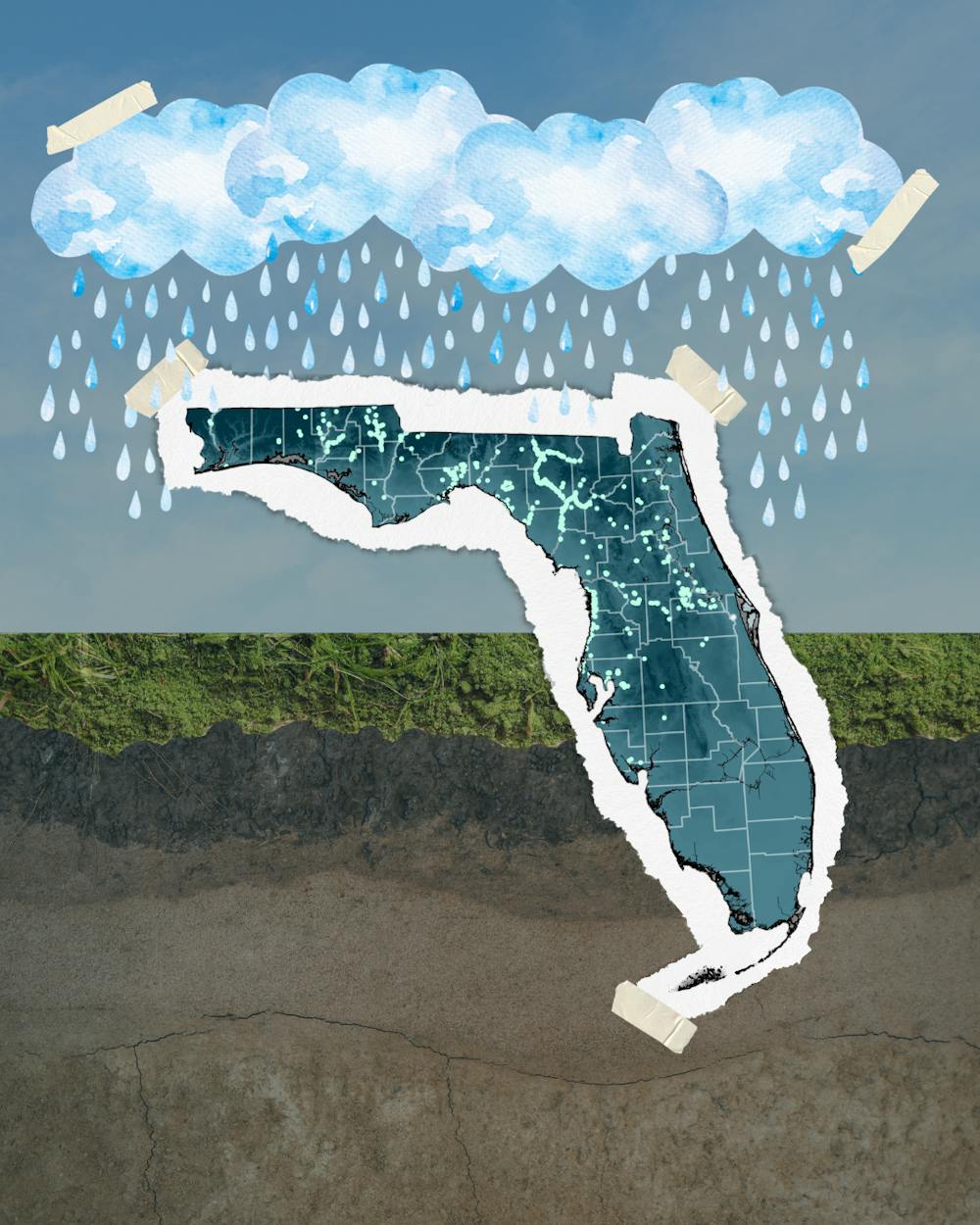
The Water First North Florida program is a proposed $1 billion initiative aimed at replenishing the Floridan Aquifer — the region's primary source of drinking water and a growing point of concern because of its low water levels.
Under the original proposal, wastewater from Jacksonville would have been moved to a water reclamation facility, treated, filtered through natural wetlands and ultimately returned to the aquifer.
The Buckman Ozone Treatment Wetland Pilot Study is evaluating whether reclaimed wastewater can be further treated in constructed wetlands before being released into the environment.
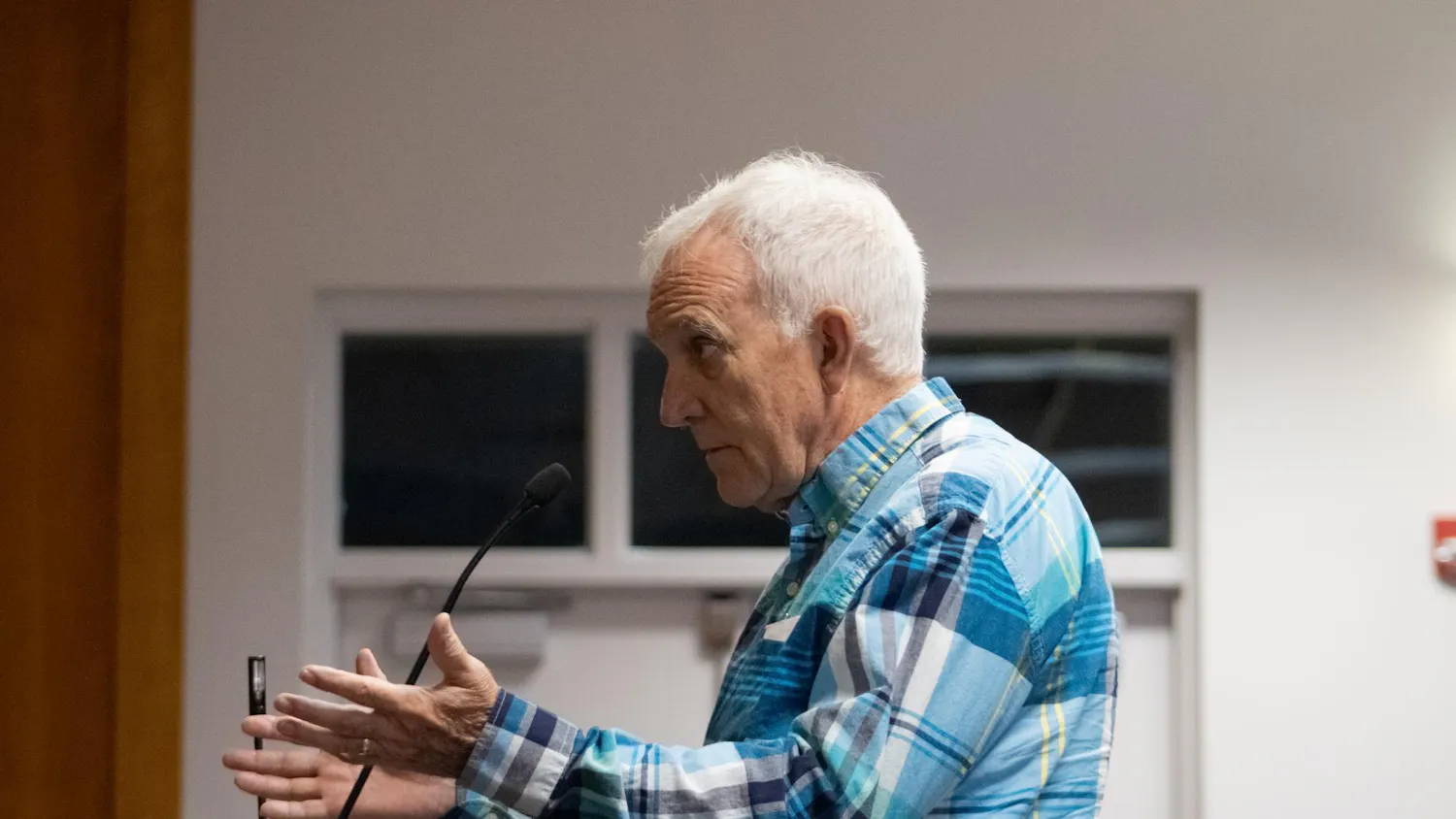
The topic was raised by Stacie Greco, Alachua County’s water resources program manager, during a county commission meeting Tuesday. Greco said the study continues alongside another study examining potential wetland sites within the St. Johns River Water Management District.
“The fate of this project is unclear, and there has been widespread opposition,” Greco said. “It really needs to include more public involvement and rigorous scientific investigations.”
During a separate interview preceding Tuesday’s meeting, she said current consumption levels are not compatible with maintaining healthy springs and rivers, which has prompted efforts such as the Water First North Florida project aimed at supplementing the region’s aquifer recharge.
“We need to do better with our existing water,” she said.
In a Facebook post May 12, state Rep. Chuck Brannan said $20 million in funding for the Water First North Florida project had been removed from the House and Senate budget proposals, which he said “effectively kills the project this year.”
The possible cancellation was preceded by months of discussions among local officials, water managers and residents, according to a May 12 letter from state Sen. Corey Simon.
“While the need to address low water levels in our aquifer remains very real, it has become clear that this proposal is not the right path forward for our communities,” Simon wrote in the letter.
The Water First project was unpopular among environmental groups like the Sierra Club’s Suwannee St. Johns Chapter.
The group argued the plan risked introducing contaminants like heavy metals and pharmaceuticals from treated wastewater into wetlands and groundwater systems.
Sarah Younger, who serves on the group’s executive committee, said the project lacked transparency in how it would’ve been implemented and other proposals that were considered for the project.
The letter mentions the chosen proposal is one of hundreds, but it doesn’t specify any of the alternative proposals.
“You're taking billions of dollars to create a system delivering waste water from Jacksonville into our aquifer,” she said. “But yet they won't spend money to educate people.”
On its website, Water First North Florida compared itself to the Sweetwater Wetlands Park in Alachua County, which uses stormwater from downtown Gainesville and runoff from GRU’s Main Street Water Reclamation Facility to improve water quality in Paynes Prairie Preserve State Park.
It remains unclear what type of wastewater would be used in the North Florida project.
Utilities across Florida have increasingly turned to reclaimed wastewater as an alternative water supply. Nearly half of the state’s wastewater is now reused for irrigation, groundwater recharge and environmental restoration projects.
Gainesville Regional Utilities uses reclaimed water for irrigation, helping offset demand on the city’s drinking water supply.
Alexander Reisinger, a UF professor researching water quality, said one of the biggest challenges in wastewater reuse is public perception, what he described as an “inherent yuck factor.”
Some of that concern, he added, is tied to contaminants that aren’t always fully removed through treatment processes. These contaminants, called “forever chemicals” or PFAS, are a class of synthetic compounds that can persist in the environment and accumulate over time.
While wastewater treatment reduces many pollutants, Reisinger said compounds like forever chemicals are difficult or expensive to remove because of technological restraints.
Contaminants can remain at trace levels, contributing to public hesitation around reuse projects.
"Those concerns are not specific to this proposal,” he said. “Those are just general things that you need to be thinking about whenever you're thinking about repurposing wastewater."
Conservation efforts remain important, he said, but they’re unlikely to fully meet future water demands on their own given Florida’s growing population and its increasing strain on water systems.
Florida’s population continues to grow steadily, driven largely by domestic migration. The state added nearly 200,000 residents in a year, its population up from 23.3 million in 2024 to 23.5 million in 2025.
The growth brings an increased need for water resources and infrastructure.
Contact Julianna Bendeck at jbendeck@alligator.org.
Julianna Bendeck is a first-year journalism student and the Summer 2026 criminal justice reporter. She previously worked as a contributing writer and race and equity reporter at The Alligator. Outside the newsroom, she enjoys reading, surfing the web and playing video games.