

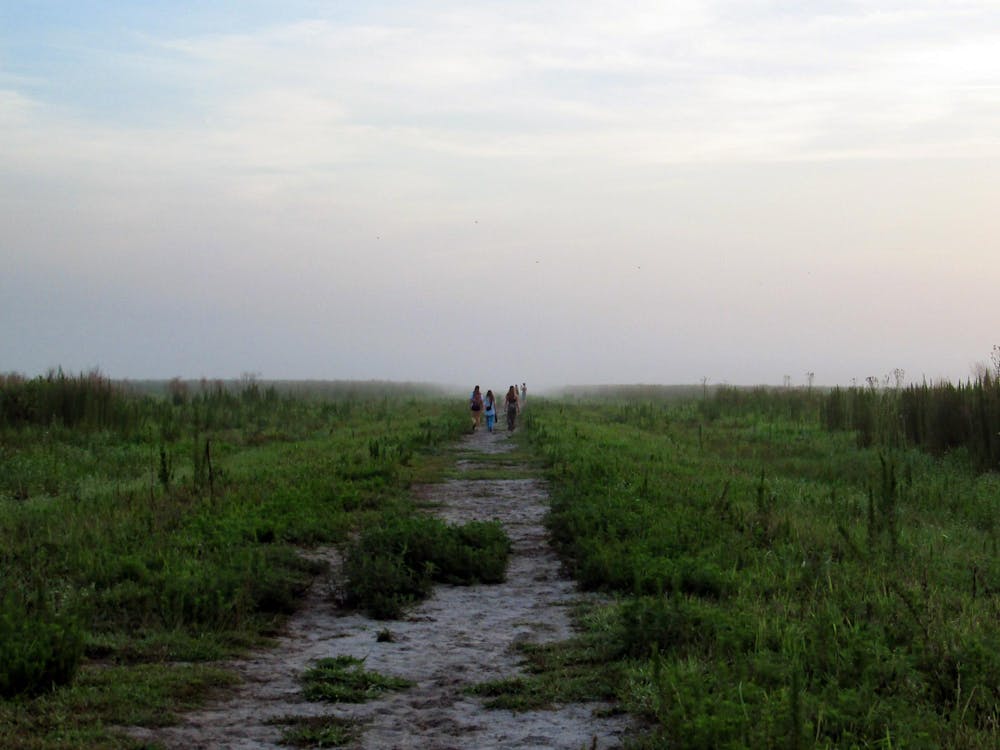
It’s a bright, sunny day. What do you do?
You could take a float down one of the numerous springs near Gainesville; it can be a refreshing and relaxing experience. Or you could visit the crowd-pleasing Paynes Prairie Preserve State Park, brimming with wildlife like bison, horses and alligators.
What if I told you that these natural environments may not exist one day? While enjoying these landscapes can be a memorable experience, it is important to consider that our actions may cause harm.
This summer, I have had the fortunate opportunity to visit Glacier National Park, which spans over 1,500 square miles across Montana and Canada.
During my stay, I acquired a deep appreciation for nature conservation. Experiencing breathtaking landscapes and spectacular views really can change your perspective on life and make you realize how important it is to respect the environment.
The national park is filled with abundant wildlife species, towering mountains and multiple bodies of water. It is important to protect the park so the environment and ecosystems can thrive.
Since the first national park was established over 150 years ago, the overall purpose of national parks has been to preserve landscapes, wildlife and unique ecosystems from industrial development. Therefore, it is important for visitors to respect the park’s rules and regulations. Park rangers educate incoming tourists on how to protect the environment and themselves.
At the Apgar Visitor Center, visitors can learn more about nature conservation in the park. There, I had the privilege to speak with interpretive park ranger Jaron Montgomery about ways communities can respect local wildlife.
Montgomery educated me on the importance of communities considering migration patterns that animals have and providing habitats for them. When animals don’t have a place to rest and find food on their journey, their chances for survival are very slim. By providing a habitat for them, communities help maintain healthy wildlife populations and increase the biodiversity in an ecosystem. Having a rich biodiversity makes an ecosystem more resilient to potentially harmful environmental factors.
Montgomery also told me about the importance of respecting natural bodies of water in the park. Tourists who visit the lakes and rivers are at risk of bringing aquatic invasive species — whether plants or animals — that could take over native species. To prevent harm, the national park inspects any incoming boats 30 days prior to their visit to Glacier National Park.
So, while Gainesville doesn’t have a national park, we still need to treasure and care for our own natural features — like Paynes Prairie and the various springs — all the same.
We may lack Montana’s breathtaking landscapes and staggering mountains, but it’s just as important we treat them with respect. If we all adopt the cautious and considerate mindset of Glacier's park rangers, we can help preserve the natural landscapes in Gainesville for future generations to come.
Ella Finkelstein is a contributing writer for The Alligator.
Ella Finkelstein is a second year majoring in Journalism and minoring in Innovation. This is her first semester working on the Alligator staff.