

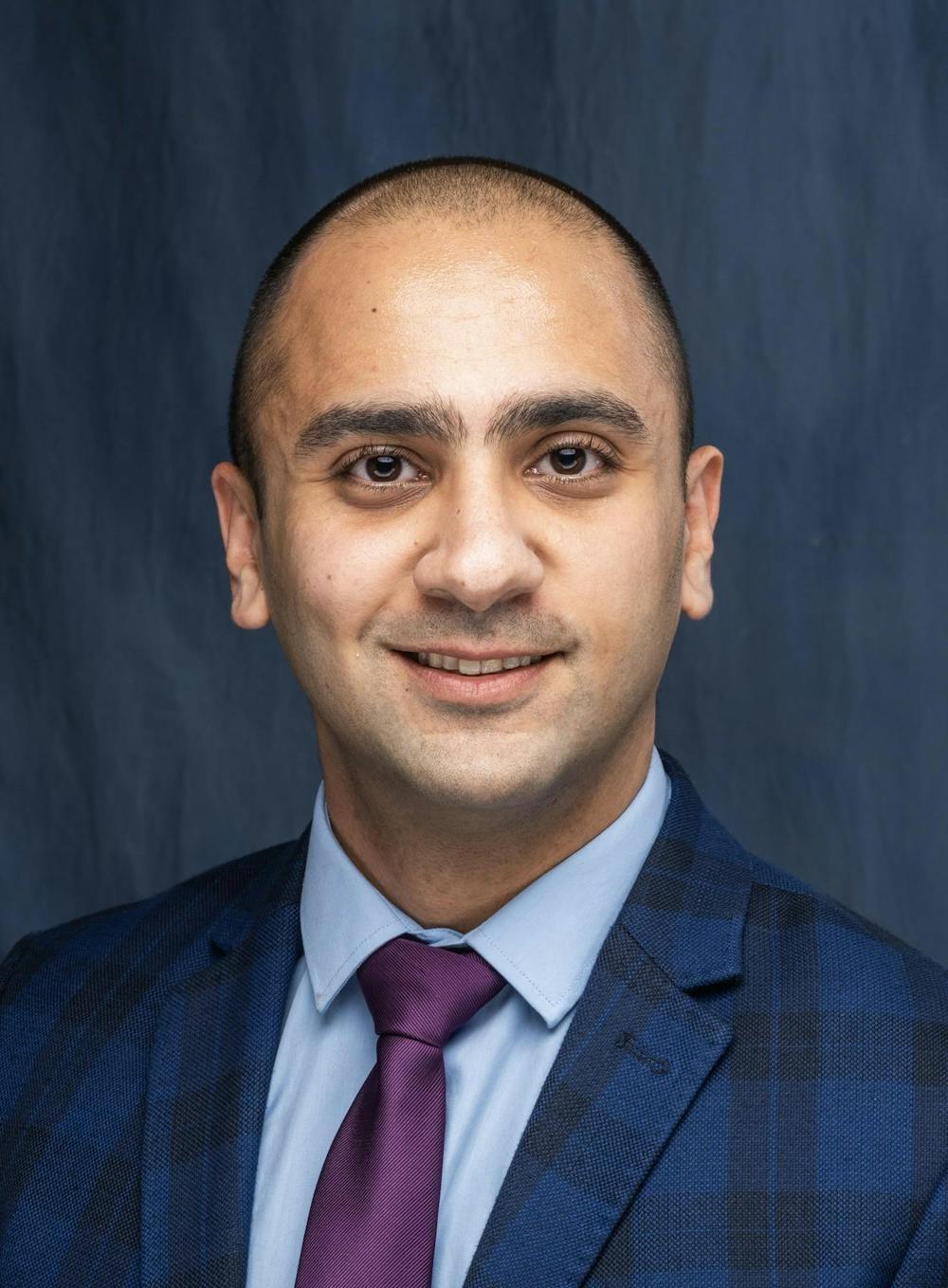
As a physician who immigrated to the U.S. from Iran three years ago, I have witnessed the brutality of the Islamic regime and the oppression Iranians have endured over decades. Because of this, I feel a deep responsibility to share the story of my people.
More than 1.5 million Iranians gathered in cities across the globe to show solidarity with their compatriots at home on Feb. 14. From North America to Europe and Australia, crowds filled public squares carrying flags, photographs of victims and messages of unity.
The date, traditionally associated with love, took on a new meaning for many Iranians: a day to express love for their country and for those risking their lives in pursuit of freedom. But why did this global mobilization occur, and why should the world pay attention?
The answer lies in the events that unfolded in Iran beginning on Dec. 28, 2025. What started as localized economic protests quickly evolved into a nationwide movement. Rising living costs, unemployment, corruption and longstanding political repression fueled widespread frustration.
Within weeks, demonstrations spread across cities large and small. The movement’s momentum reached a dramatic peak on Jan. 8 and 9, when more than 2 million people reportedly took to the streets after a public call for nationwide protests by opposition figure Reza Pahlavi, the exiled crown prince.
The response from the ruling establishment was swift and severe. Authorities imposed widespread internet shutdowns and disrupted communications in an effort to isolate protesters from one another and from the outside world. Reports from inside the country described an atmosphere of chaos and fear.
According to opposition sources and human rights advocates, security forces used live ammunition and heavy force against demonstrators. The scale of the violence shocked many observers. Estimates from activist networks claim that at least 36,500 people were killed, more than 300,000 were injured and approximately 10,000 suffered severe eye injuries, often from close-range projectiles aimed at the face.
While Iran has witnessed episodes of political repression in the past, the reported magnitude and intensity of the January crackdown were unprecedented in recent memory. Security forces allegedly pursued wounded protesters in hospitals, removing individuals from operating rooms and arresting both patients and medical personnel.
Families reported nighttime raids and the disappearance of loved ones. Stories of individuals receiving fatal shots at close range after being incapacitated spread rapidly among the diaspora and human rights communities. Witnesses described them as deliberate executions.
These allegations represented one of the most violent episodes in world’s contemporary history. The reported rate of killings described by activists — an average of 13 people per minute — became a rallying cry among protesters abroad. For many Iranians outside the country, the events of early January were not only a national tragedy but also a moral turning point for crimes against humanity.
In the weeks that followed, Iranian communities around the world began organizing regular demonstrations. Every Sunday, gatherings have taken place in major cities, seeking to keep global attention focused on the situation inside Iran. These protests serve multiple purposes: commemorating those who were killed, amplifying the voices of those still inside the country and urging governments and international organizations to act now.
“Iranian Valentine’s Day,” as Feb. 14 came to be known among participants, symbolized a collective declaration of solidarity. It was not simply a political statement but an emotional one — an affirmation that distance does not sever connection. For many in the diaspora, it was a day to transform grief into visibility and fear into unity.
Why should the broader international community care? Beyond the immediate humanitarian concerns, the events in Iran raise fundamental questions about human rights, state accountability and the global responsibility to respond to mass violence.
The Iranian radical Islamic regime is widely regarded as the world’s leading state sponsor of terrorism. Many believe that a government willing to use this level of brutality against its own people will only grow more aggressive and destabilizing if it faces no consequences at home. If such violence is tolerated within its borders, it sends a dangerous message about what it may be willing to do beyond them.
The gatherings on Feb. 14 were a reminder that movements for dignity and representation do not remain confined within national boundaries. They echo through families, communities and diasporas worldwide. Whether or not this revolution succeeds, it changed the landscape and politics of the Middle East and the world.
Salar Javanshir is a research scholar at UF’s Division of Transplantation and Hepatobiliary Surgery.