


Opinion: Columns
Sports
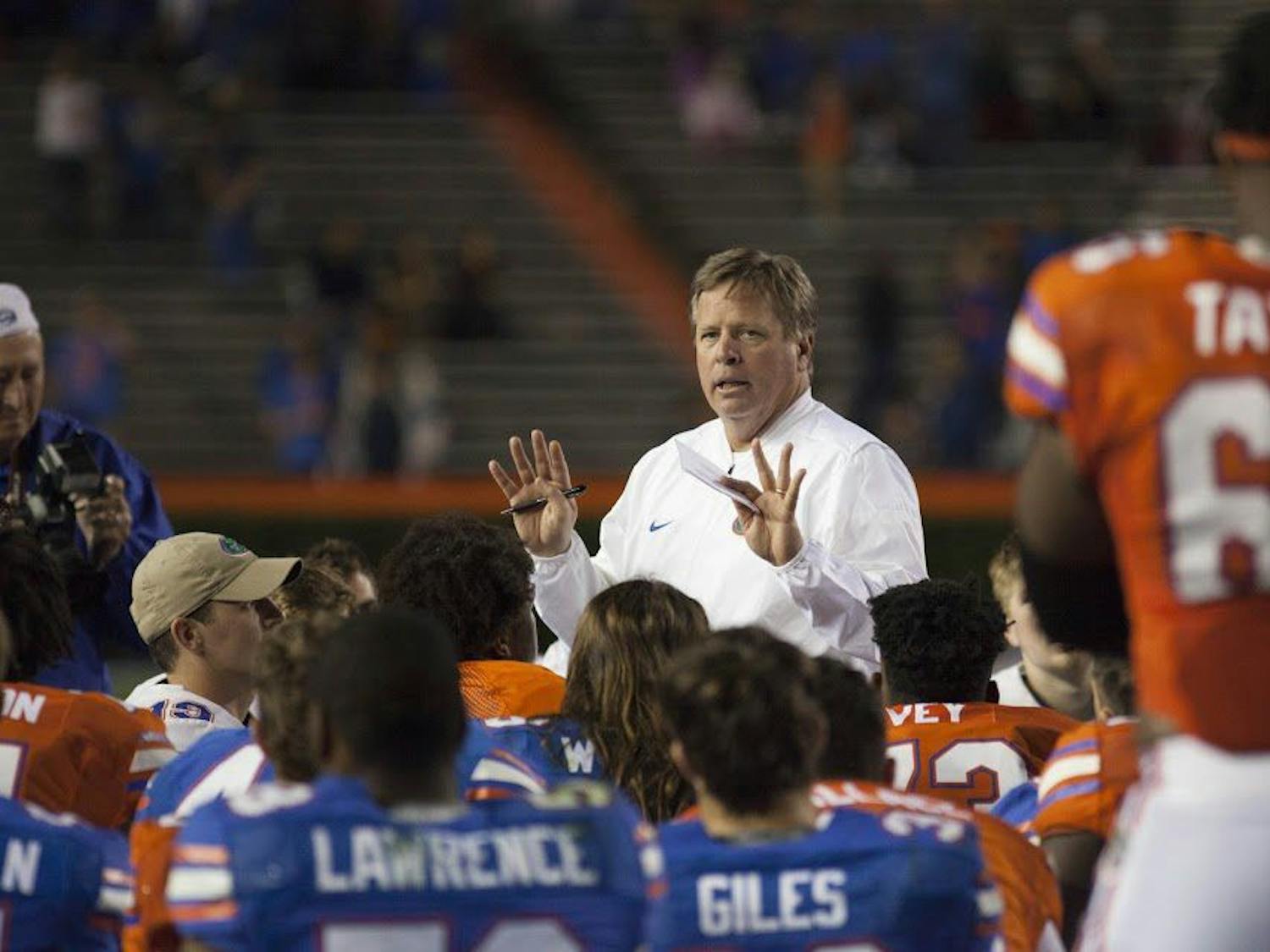
Column: In defense of participation trophies
By Ethan Bauer | Apr. 11, 2017Before you start commenting that I’m an entitled millennial sh-t for defending participation trophies, please know I recognize your concern. It’s definitely a cliché thing for a 20-year-old to do. But with the number of slam pieces written about the privileged “snowflake” generation and its sense of entitlement, I think there’s something to be said about how participation trophies can actually be a good thing.
Opinion
Popular notions of romance may be encouraging non-consensual sex
Apr. 11, 2017There’s an ailment afflicting young people today. It’s not a disease or a behavioral epidemic, but an idea. It is an idea that affects our entire approach to intimacy. It stems from our phobia of discomfort, of appearing foolish or being declined. It is the idea that there exists such a thing as a “right moment.” Allow me to elaborate.
Opinion
We get by with help from our friends: It’s important to be selfless sometimes
Apr. 11, 2017The human race is intrinsically a selfish bunch. When we’re born, we are strictly self-serving. We exist only to keep ourselves alive and to advance ourselves to the point where we can do this without help. We communicate our needs by crying, screaming or doing whatever it takes to get our parents’ attention, and once this is complete, we just head on back to whatever we were doing before we decided we needed something.
Opinion
You can’t heal your broken ego from the inside
Apr. 11, 2017I ended last week’s column with an image of a man limping through life with a broken leg. I made the comment that this image captures the problem with our cultural dictum: “Believe in yourself.” The meaning behind my comment is twofold. First, people generally suffer from self-doubt, a certain awareness that all is not well within one’s self, or from an inability to feel affirmed, confident and whole. Second, the solution to this problem cannot be believing in one’s self because the problem lies primarily within the self. Thus, the image of a man who thinks he can mend his leg by walking on it.

Sports
Column: Don’t rush to judgement based on an inconsequential Spring scrimmage
By IAN COHEN | Apr. 10, 2017We don’t know anything.
Opinion
I spent the past year writing a sixty-page thesis
Apr. 10, 2017In all honesty, I’m still not entirely sure why I decided to write a thesis. Maybe I decided to do it because I like making my own life difficult. Maybe I like having something to complain about at all hours of the day. Maybe I just wanted to be able to say, “I have to work on my thesis” out loud, leaving friends and strangers alike dazzled by my dedication to long-form academic inquiry.
Sports
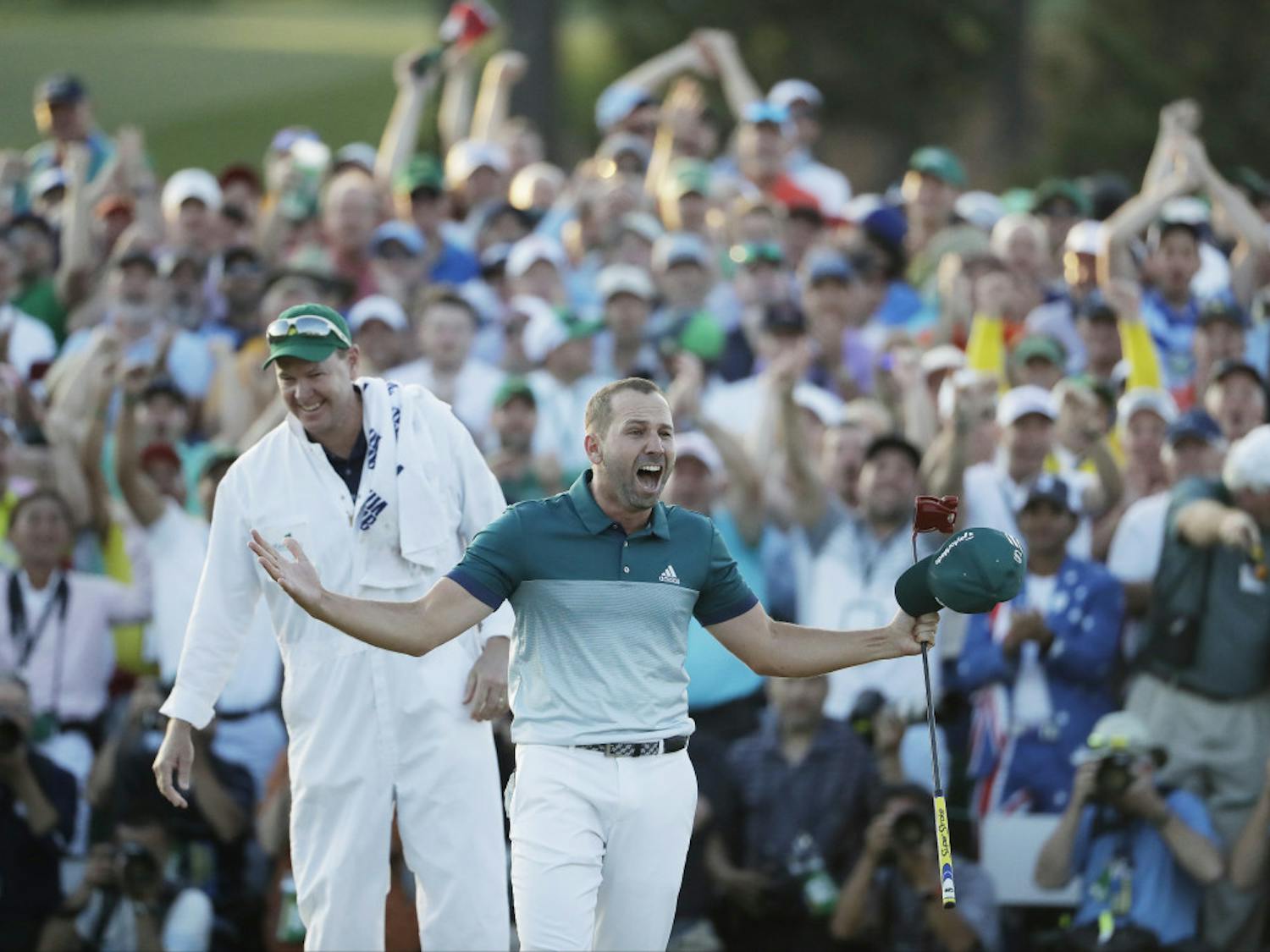
Golf: The world’s most costly conspiracy
By Matt Brannon | Apr. 9, 2017The Masters, golf’s first major tournament of the year, ended on Sunday. And while Sergio Garcia won, all of us lost.
Opinion
Mistakes, misunderstandings and nature of jazz
Apr. 9, 2017As with most cliches and motivational quotes, I’ve forgotten where I first heard the following one regarding jazz music. It goes something like this: “When you play the wrong note once, it’s a mistake. When you play it again, it’s jazz.” On first pass, it seems like a subtle jab at jazz music as a genre, as if every jazz musician out there just hits wrong keys all the time, muttering something to the effect of, “Yeah, man, it’s interpretive art. You wouldn’t understand.”
Sports
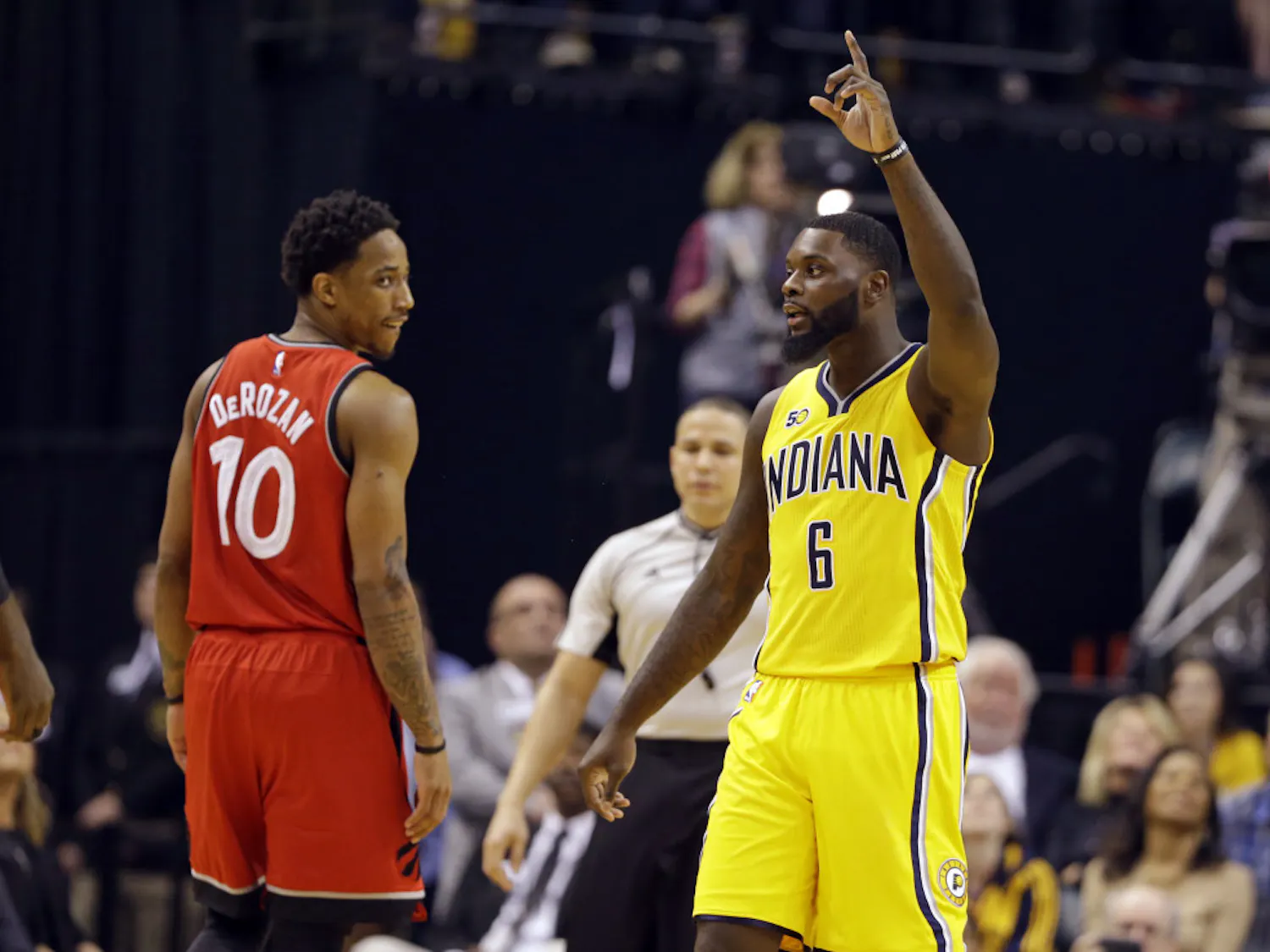
Column: DeRozan, Raptors need to shut up about Lance Stephenson
By Ray Boone | Apr. 6, 2017In the final moments of Tuesday night’s game between the Indiana Pacers and Toronto Raptors, Pacers guard Lance Stephenson scored an uncontested layup with 3.3 seconds left in the game. The blue-and-gold-clad crowd in Bankers Life Fieldhouse in Indianapolis erupted with excited applause.
Opinion
Gorsuch confirmation: A Senate turned sandbox
Apr. 6, 2017By now, the U.S. Senate may already have dispensed with tradition and confirmed Judge Neil Gorsuch by simple majority. They would have done this by invoking what is dramatically termed the “nuclear option” — a process by which Senate rules are changed to allow a confirmation vote of Supreme Court nominees with 51 (instead of 60) votes.

Sports
Column: Way-too-early MLB superlative predictions
By Patrick Pinak | Apr. 5, 2017It’s April, which means Major League Baseball is in full swing.
Sports
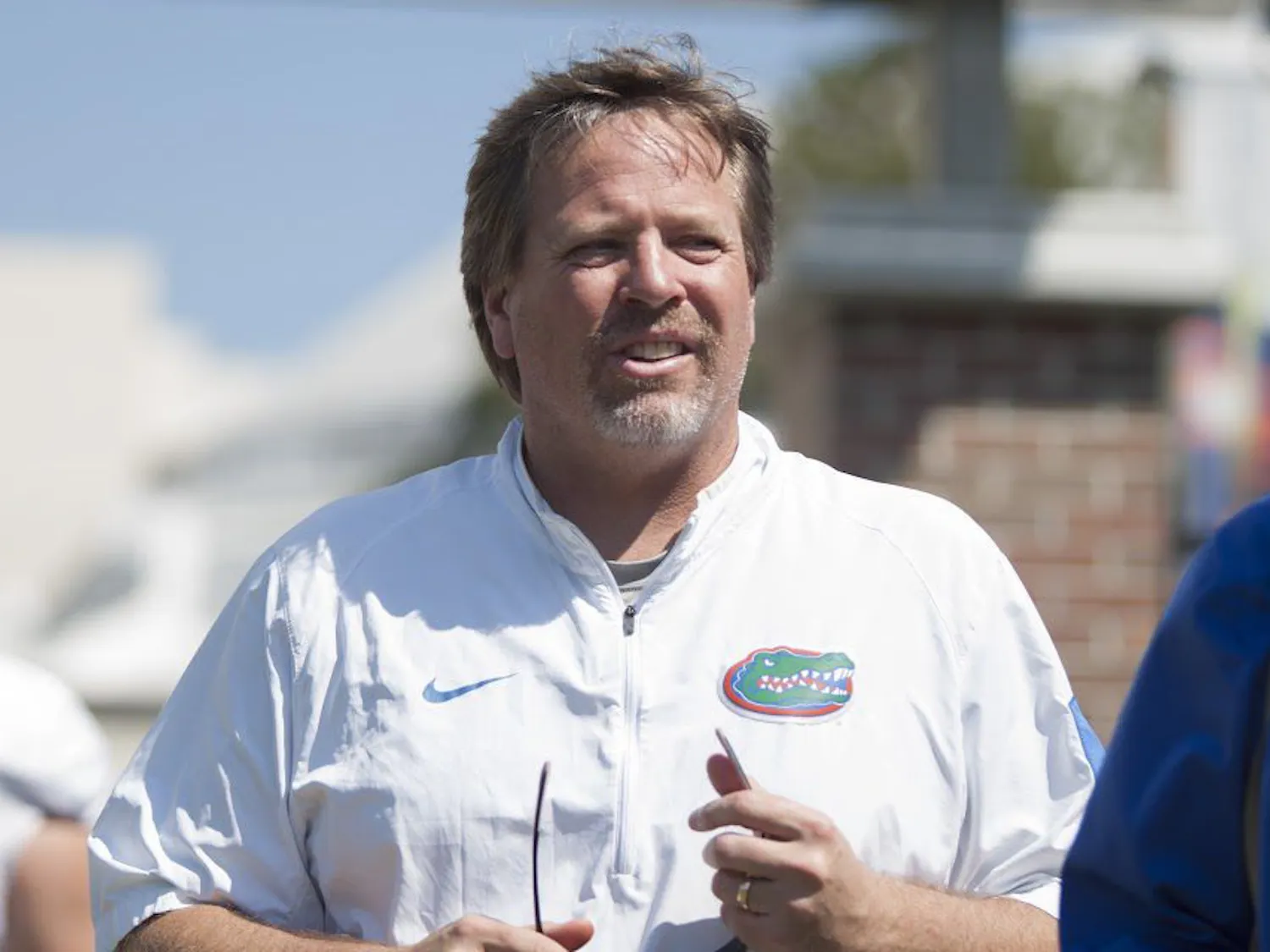
Column: Please, coach McElwain, learn to answer questions
By Ethan Bauer | Apr. 4, 2017Last week I asked coach Jim McElwain if he thought the word adversity was overused in sports. He stuttered once, stuttered again and finally gave a winding response that didn’t answer the question and somehow brought up the questionable nature of participation trophies.
Opinion
When we ask questions of moral 'good' or 'bad,' we are missing the point
Apr. 4, 2017What makes a person good or evil? For many, the answer lies in intent and individual responsibility. Today, I’m going to tell you why it has little to do with either. At least, not in the way you think.
Opinion
Believe in something else besides yourself
Apr. 4, 2017I can’t count the times I’ve heard a pop icon or a public figure say, “Just believe in yourself.” A famous person is asked something along the lines of “How did you get to where you are today?” and the response is normally the same: “I believed in myself.” It is said so often that it has become a platitude. But why is it said? And what does it actually mean?
Sports
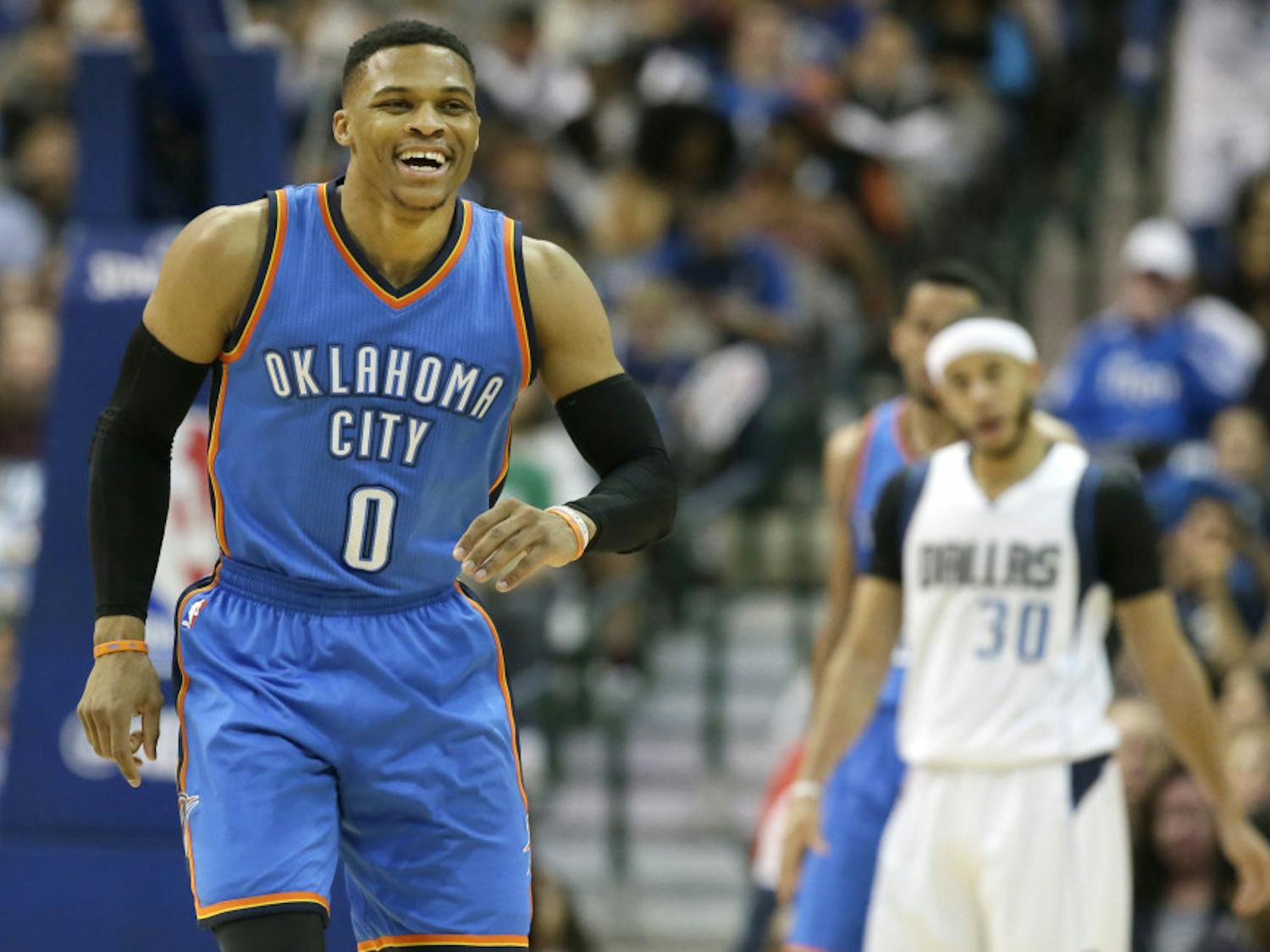
Column: Who should win the NBA MVP race?
By IAN COHEN | Apr. 3, 2017Usually the NBA’s annual MVP race is fairly clear cut.
Opinion
Find what you’re passionate about, and pursue it
Apr. 3, 2017Passion. What a word. As college students, this word probably means a lot to a good number of us. We’re told time and time again to major in something we love and to join organizations centered around ideas we’re passionate about. The funny thing about this is that when we first arrived on campus armed with twin XL sheets and a shower caddy, a lot of us may have thought we knew what we were passionate about, only to change our minds a little further down the road.
Opinion
When pondering theories, focus on getting everyone on the same page
Apr. 3, 2017The other week in my English theory course, we were talking about sexuality, feminism and the issues of gender. Specifically, we were dissecting works like Michel Foucault’s “The History of Sexuality,” Donna Haraway’s “A Manifesto for Cyborgs: Science, Technology, and Socialist Feminism in the 1980s” and Judith Butler’s “Gender Trouble.” If you know any of the three of these works, then you’d know they all share one thing in common: density. These works are all so dense that it takes a significant amount of poise to parse through them, though even at times, I find the lazier side of myself resorting to calling their arguments “wack” and closing the book.
Opinion
Student fees shouldn’t go toward hateful speakers
Apr. 2, 2017When a liberal speaker comes to UF, there’s conservative outcry. “How come we never get any conservative speakers?” they say. They claim to be suffocated by safe spaces, when their safety was never actually threatened. Yet when there’s opposition to a conservative speaker, those on the other side of the political spectrum are called snowflakes and crybabies.
Opinion
I am grateful for the elements of my 20 years and look forward to 21
Apr. 2, 2017I recently read a collection of short essays by Oliver Sacks titled “Gratitude.” These essays, particularly “My Periodic Table,” got me thinking about my own experiences, and this got me writing about my life.
