

Opinion
Goodbye column: I didn’t know I was sentimental until I had to say goodbye
By Emily Felts | Dec. 8, 2020I’m sad my time with The Alligator was short, but I wouldn’t change it for the world.
I’m sad my time with The Alligator was short, but I wouldn’t change it for the world.
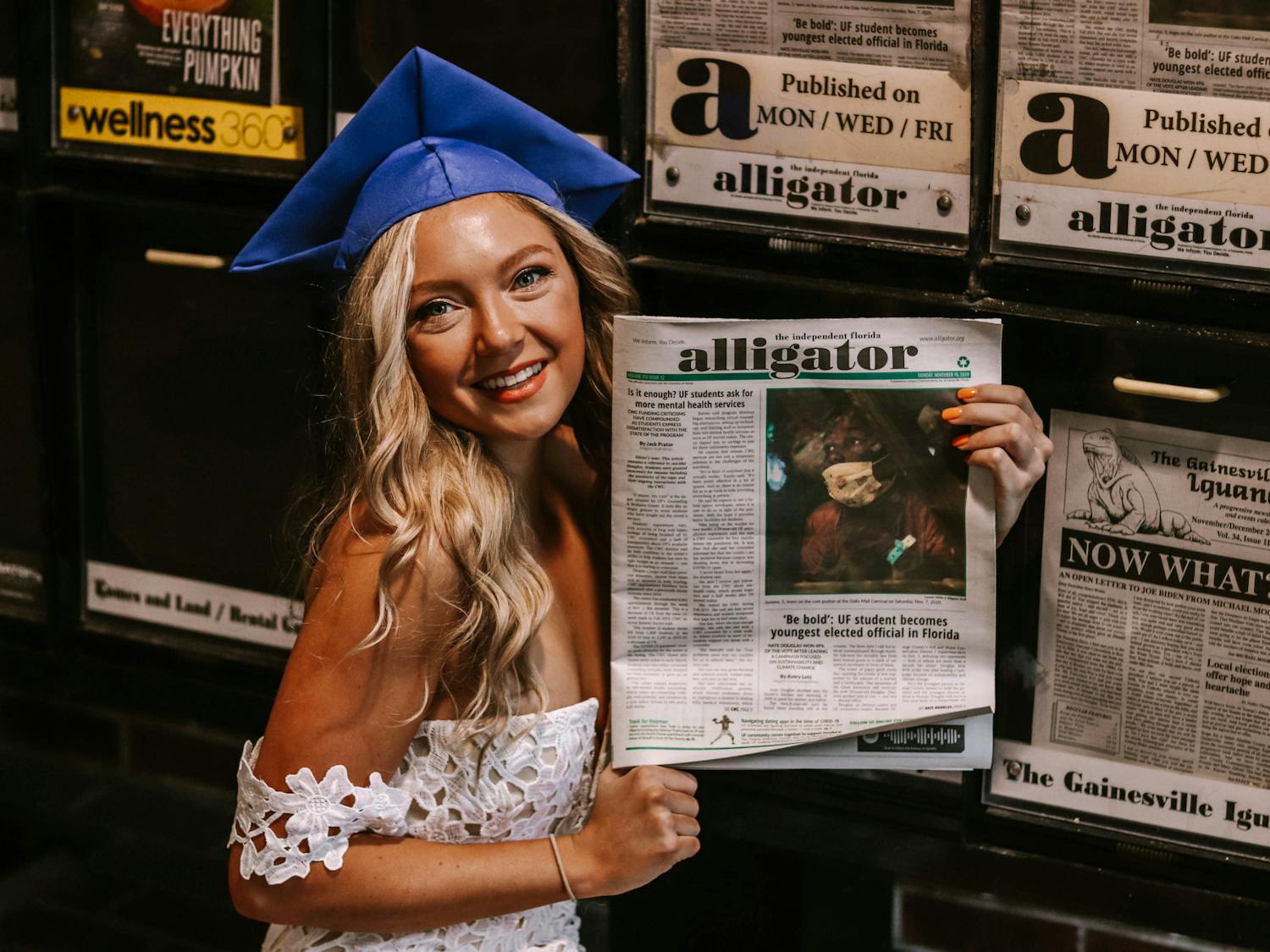
It’s time to come clean – I transferred to UF for the opportunity to work at The Independent Florida Alligator.

Maybe it was the pandemic, maybe it was the people, but even though we were farther away from each other, we were more connected.

If there’s anything this year has taught me, it’s that journalism can be and should be for everyone.
Your instructor will be so burdened preparing for two classes while being paid for one, that the quality of instruction and attention to individual student work will inevitably suffer.
With a culture of excellence and staff of the highest caliber, our newsroom is filled with people who you would want to surround yourself with in order to become the best version of yourself.

The reality is that our last-minute, improvised plan for undergraduate education at the University of Florida next semester will not provide the best, or even a sufficient, learning and teaching environment.
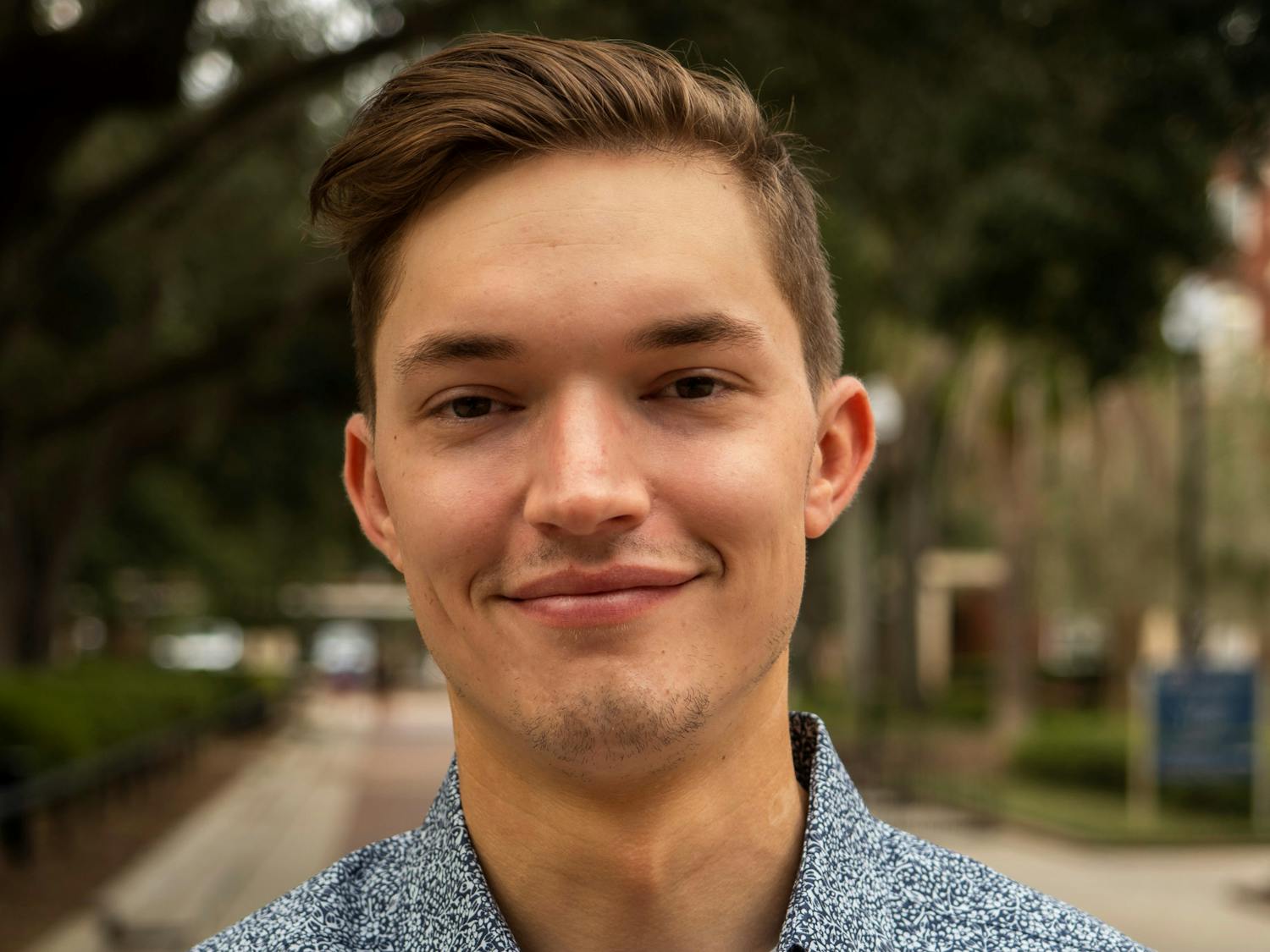
A decision that has truly changed my life.

There’s a lot about that office on SW 13th Street I’m going to miss.
Over the last four years, I’ve often wondered what I would write in this column.
First-hand experience working as an epidemiologist and contact tracer during this pandemic has provided me with a unique perspective in that, while I fully appreciate and adhere to guidelines, I am also able to acknowledge and address the hesitancy and skepticism of others.

From the perspective of an outsider, the idea of following science as means to protect the general population possibly ending up in litigation or political blowback is absolutely ridiculous.
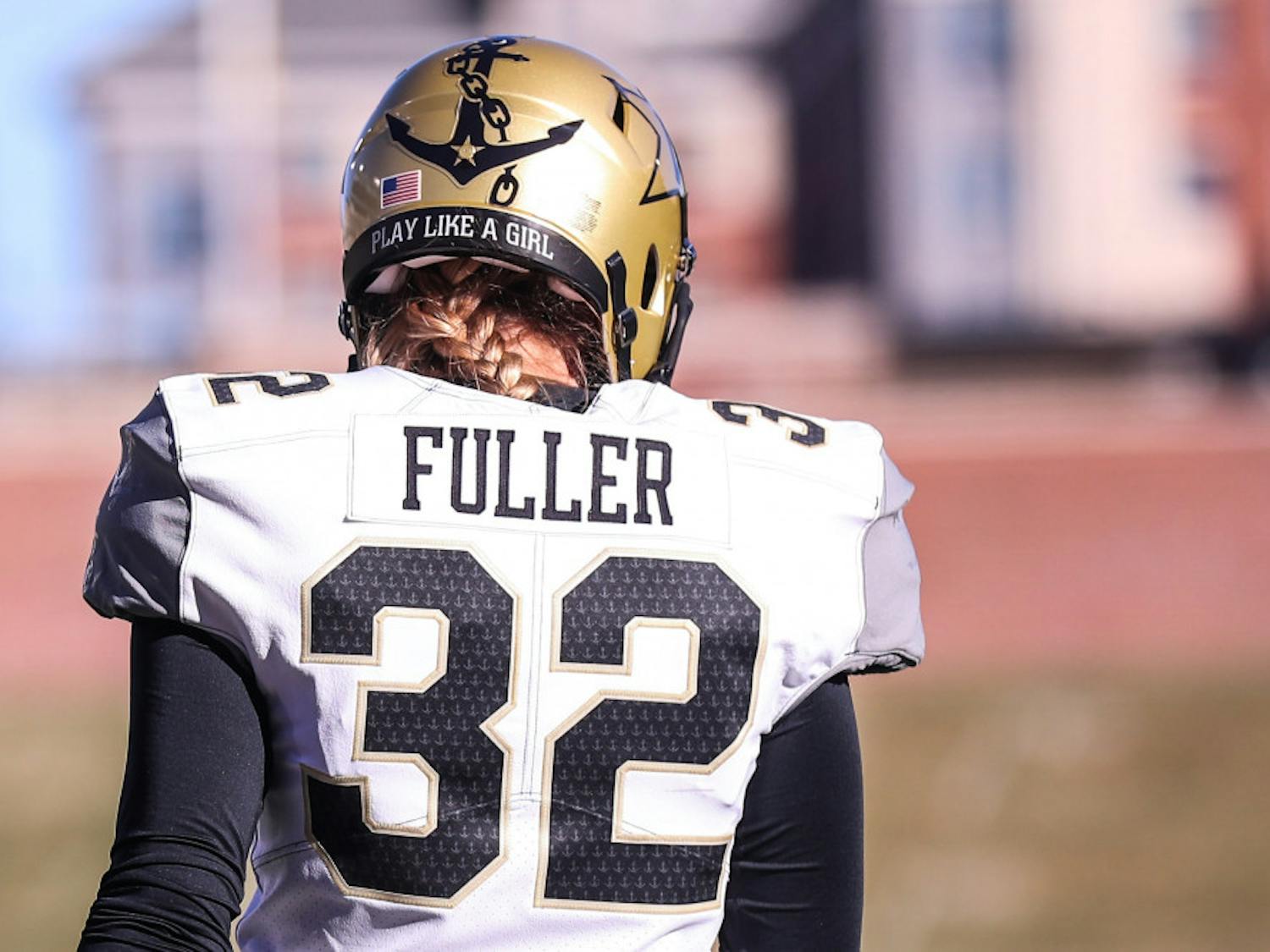
Vanderbilt kicker Sarah Fuller trotted on the field, stepped back from the tee and did her job.

It has been seven months since I was first admitted to the hospital, and in those seven months I have not had the joy of being able to smell. My sense of smell is completely gone. My sense of taste is so distorted that no foods taste the same as they did before I had COVID-19.
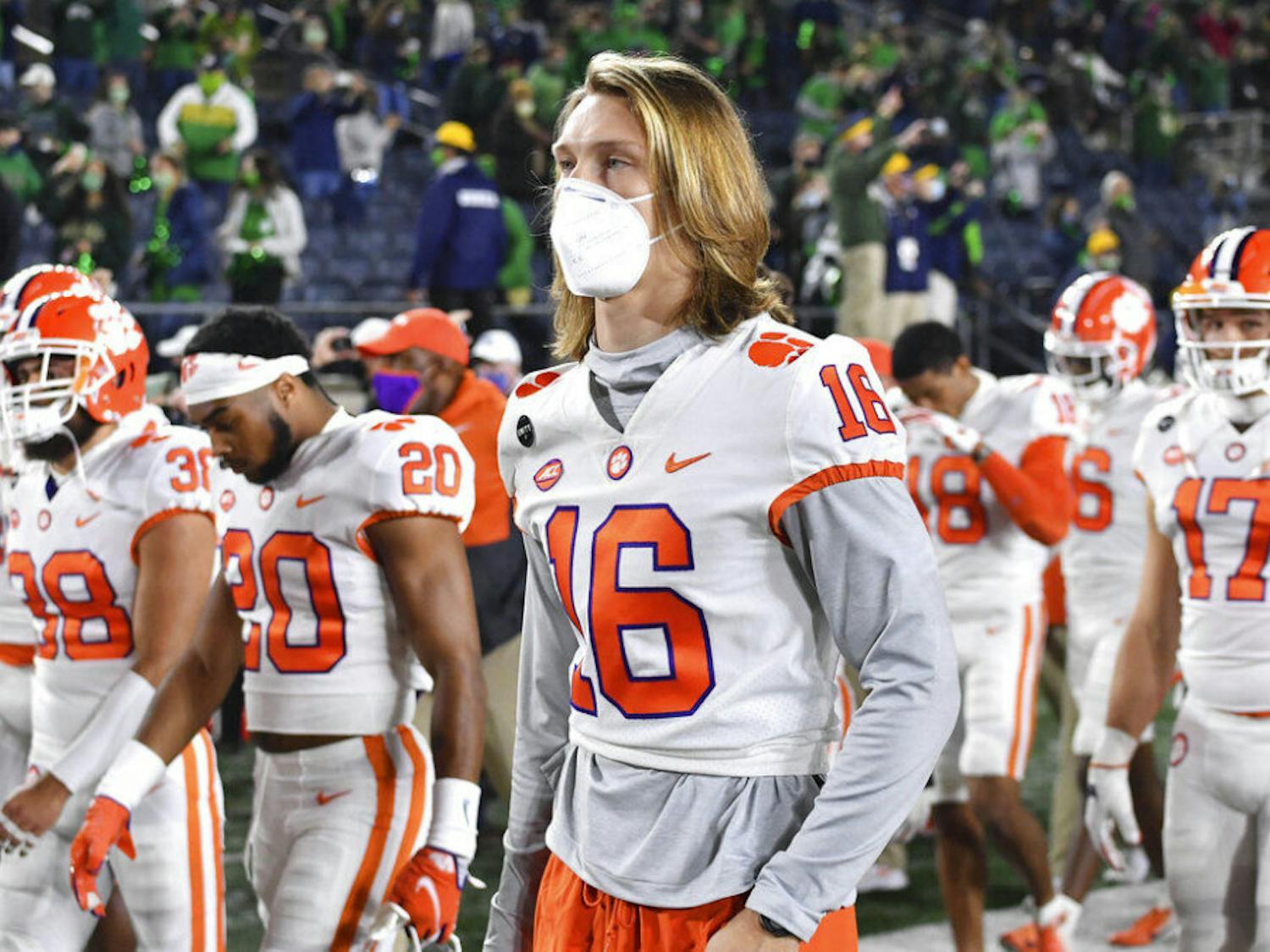
Clemson coach Dabo Swinney finds himself at the center of controversy once again.

Thoughts of suicide are a human experience, not a sign of personal failure or flaw. Struggles with suicide need not be the end of the story and can be a signal that we need more support than we currently have.

It appears that the Senate now finds hearing students’ opinions too inconvenient and pesky, rather, they would like to exclude them from exercising their free speech altogether.
Florida soccer's 6-5 comeback victory over Kentucky on Friday quelled pleas to fire head coach Becky Burleigh in favor of adoration toward the team’s performance.

While navigating this uncharted territory can be daunting, public health officials are working around the clock to slow the spread of the virus and ensure the safety of the population. Contact tracing, a time-honored and highly reliable practice, is at the heart of this effort through directly conducting investigations and providing up-to-date information and education to the public.
 Solutions by The State News