
‘Shaine in Spain’: It’s not about the what, but the who
By Shaine Davison | May 9Over the past few weeks, I’ve spent weekends in Porto and Lisbon, Portugal, and Prague, Czechia.
Over the past few weeks, I’ve spent weekends in Porto and Lisbon, Portugal, and Prague, Czechia.
So I resolved the odd little passion I had for numbers to a fun fact, something to mention in passing: “I used to really love drawing graphs in physics class, isn’t that funny?”
But when I finally did apply, I was rejected. It wasn’t until a few weeks into the semester I received a call from the then-editor-in-chief asking me to join the ranks.
But in the wee hours of that Monday morning, I held a copy of The Sun from the Wawa newspaper stand in one hand, some fries and a Diet Coke balanced in the other, and marveled at my own published words. Something clicked. I wanted to chase that feeling forever.
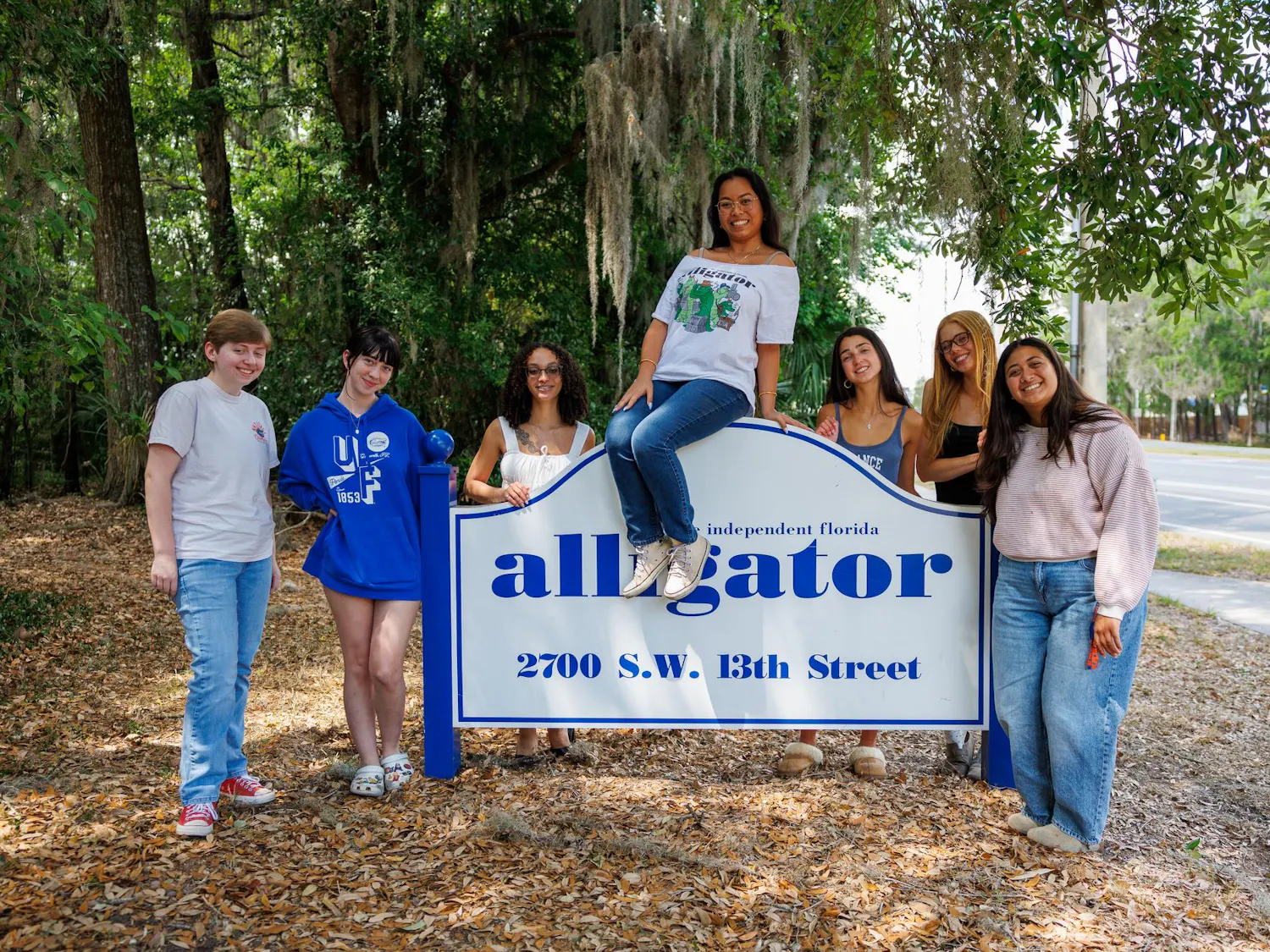
So why do students fill The Alligator’s newsroom every Sunday for our staff meetings, spilling out into the hallway and onto the floor? It’s a common belief that the stories we share matter.
I’m not much like Carrie. I dream of owning a closet half as fabulous as hers, and I would love a cushy writing job where I only produce one column a week and can still afford to live in New York.
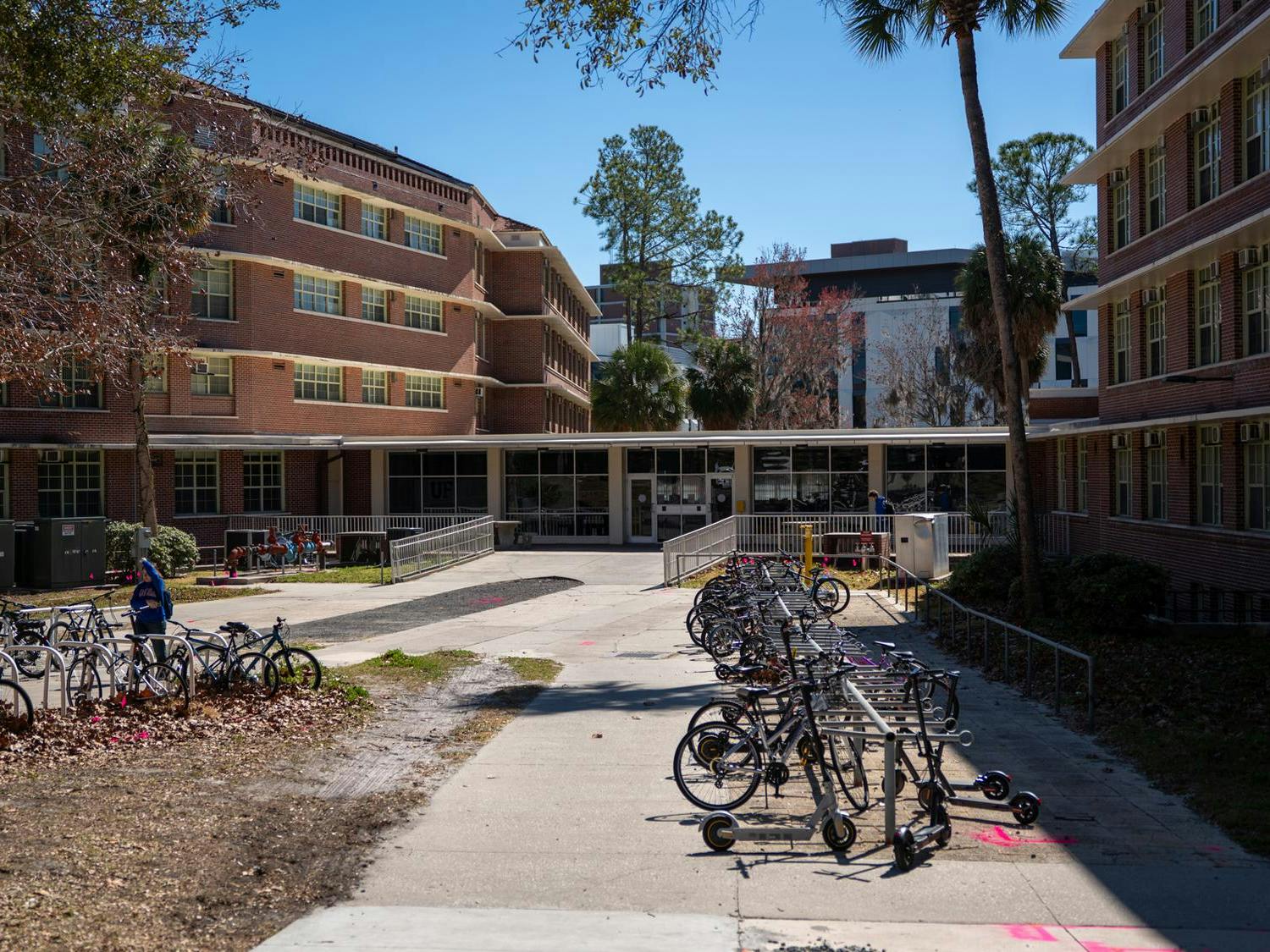
In response to this influx of students, UF has created a paradoxical, poorly thought-out solution. As more students come in, fewer dorms are available.
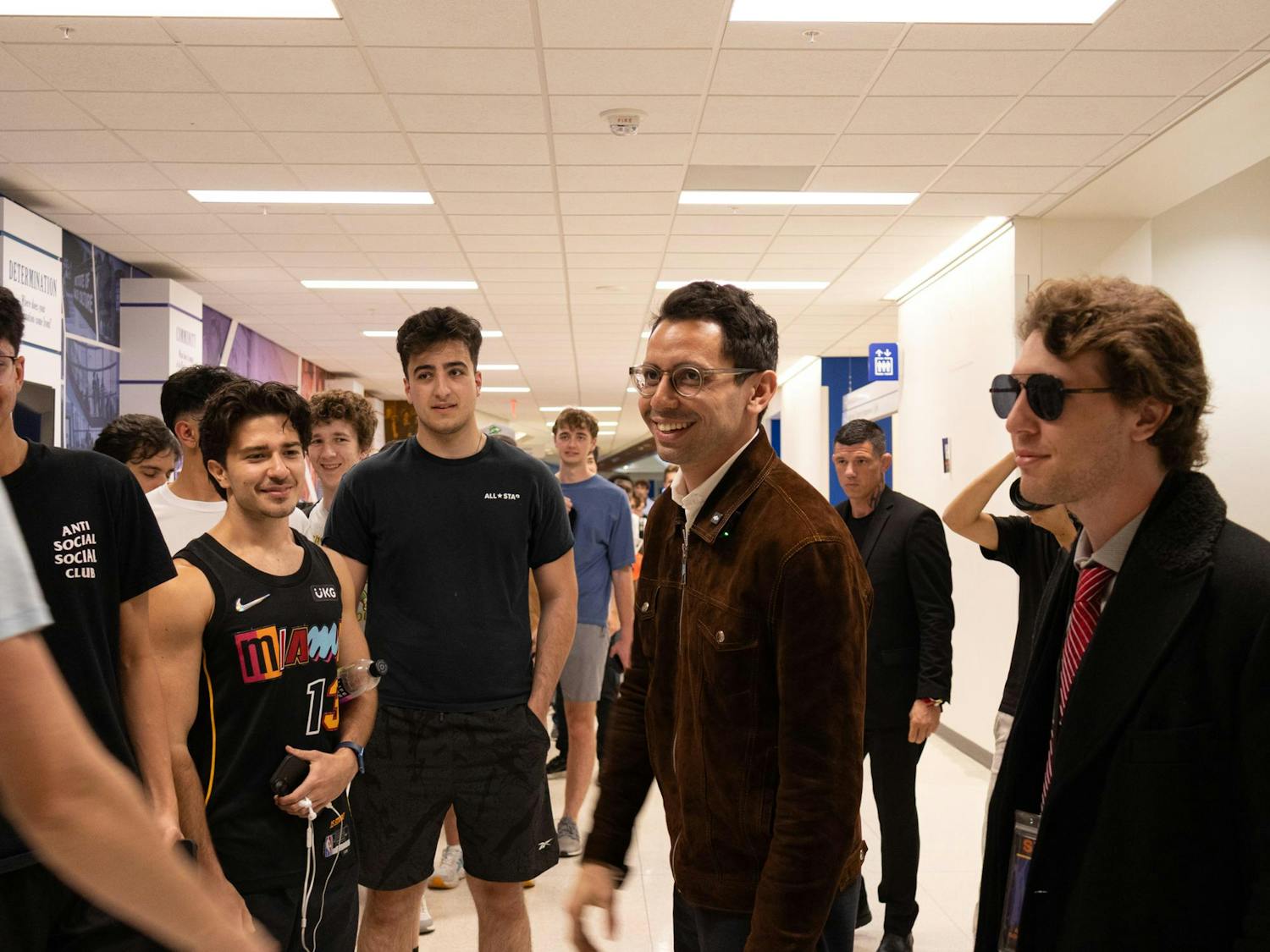
To me, Fishback’s appeal feels driven more by charisma and momentum rather than careful conservative policy debate.
Fans love the underdog story. But less talked about is the other side of success: the challenge of defending the crown.
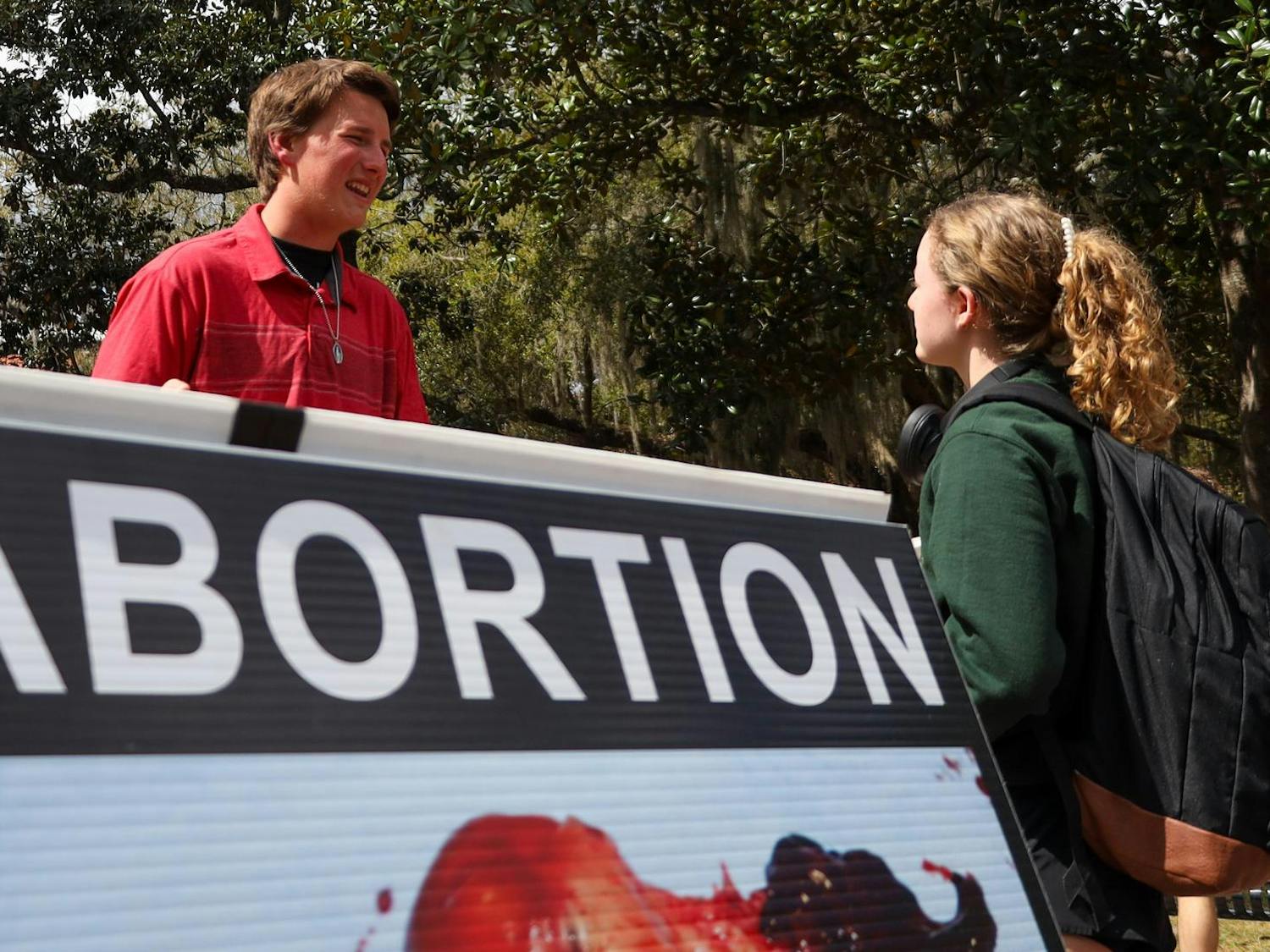
At UF, there is a real difference between defending free speech and accepting a campus culture in which the loudest, most provocative voices dominate shared spaces. That is where the issue becomes more complicated.
If a bad actor brings a weapon onto campus because they do not care about the law, and every responsible adult nearby is prohibited from defending students, the imbalance is obvious. The bill attempts to correct that imbalance without abandoning oversight.
COVID-19 did not simply interrupt schooling; it altered how we read. Remote instruction rewarded efficiency over depth. Faced with shortened periods, screen fatigue and constant digital distractions, students adapted by reading strategically rather than attentively.
This album is not a casual listening experience. This album demands your full attention.
My generation is tired of the world being wrong and the adults saying it’s OK. Now, we care enough to do something about it. No more playing the damsel.
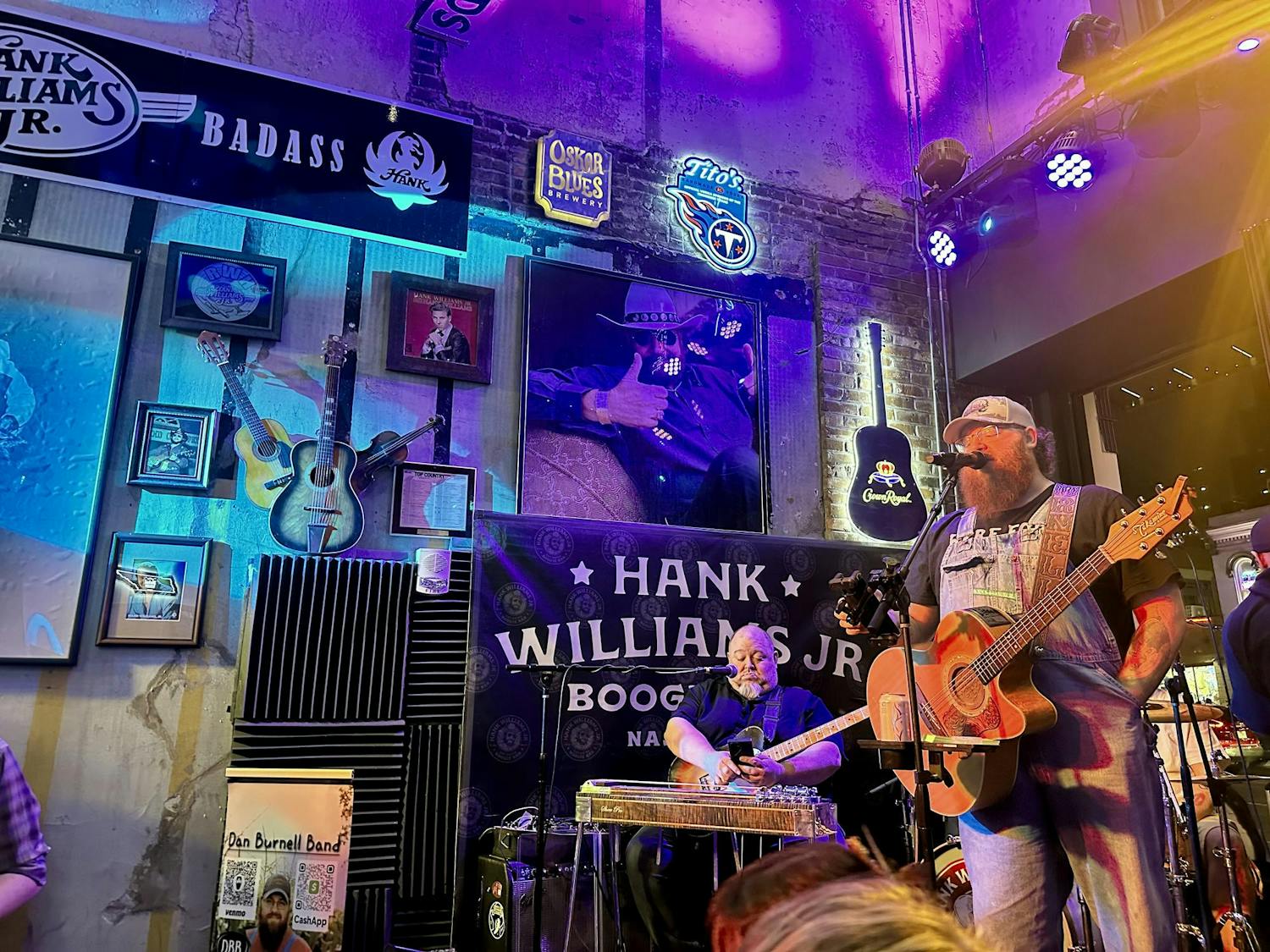
In that sense, Nashville did not feel completely foreign at all. It felt like a louder, more scaled-up version of something I already recognized. I left the city thinking less about whether one version of nationalism is better than the other and more about how much history shapes the way a country presents itself.
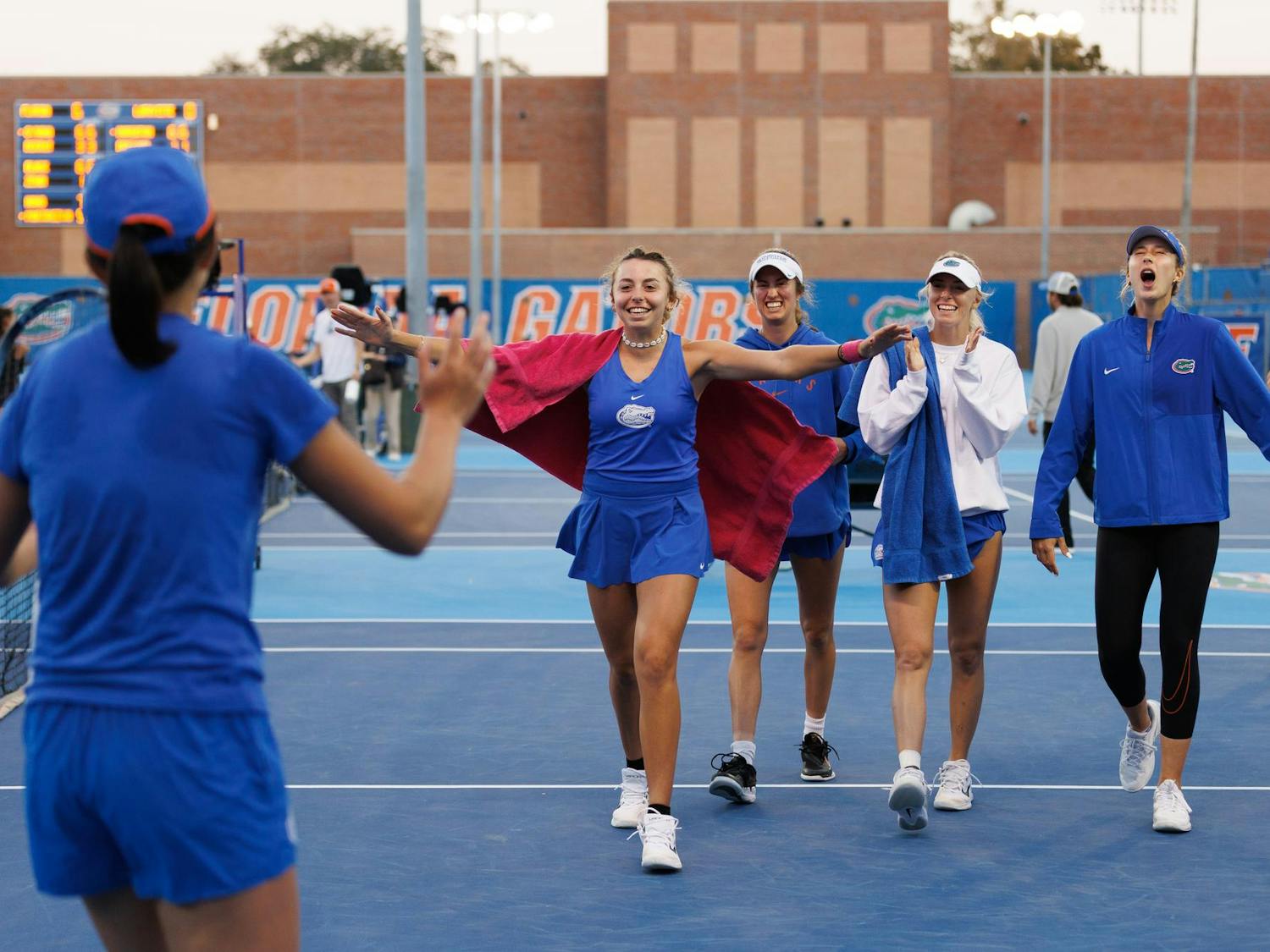
In Gainesville, roughly 5,000 miles from Milan, my teammates and I watched Hughes and the Americans make history. We listened to the national anthem play as they raised the American flag, and the team soaked in the glory of what they just accomplished. Ironically, just a few hours later, we took to the court and listened to the national anthem for the second time that day, played before our match.
On Feb. 26, the U.S. men’s Olympic hockey team took home the gold medal for the first time in over four decades. Directly after the win, the team spoke with Trump on the phone, and the president facetiously claimed he would be forced to invite the women’s team to celebrate alongside the men. If he didn’t, Trump said, they would “impeach him.”
The gatherings on Feb. 14 were a reminder that movements for dignity and representation do not remain confined within national boundaries. They echo through families, communities and diasporas worldwide. Whether or not this revolution succeeds, it changed the landscape and politics of the Middle East and the world.
Online voting in student government elections is not unheard of. Florida State University already utilizes online elections.
When you reach the ballot box on election day, you vote for the people. When the votes are tallied up, they are tallied by party.